

India's Economic Fundamentals Strengthened by 11 Years of Structural Reforms: FM
- India has shifted from a twin-deficit economy to a five-balance sheet strength model over 11 years, driven by structural reforms under PM Modi’s leadership.
- Key reforms like GST, IBC, RERA, PLI schemes, and digital initiatives such as UPI and MUDRA loans have boosted economic growth, productivity, and inclusion.
- Foreign Direct Investment (FDI) now comes from 112 countries, reflecting global confidence in India’s policy clarity, stable governance, and economic future.
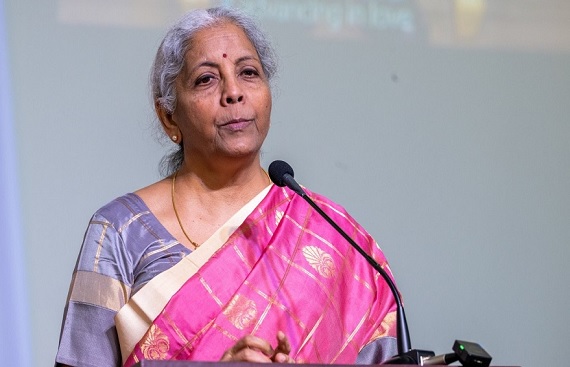
Finance Minister Nirmala Sitharaman highlighted the significant transformation of India’s economic landscape over the past 11 years, attributing the shift to structural reforms and policy decisions under Prime Minister Narendra Modi’s leadership.
Sitharaman noted that India has transitioned from being part of the ‘Fragile Five’ economies in 2014 to now enjoying a “five-balance sheet advantage,” with improved financial strength across banks, corporates, households, the government, and the external sector. She emphasized that this transformation was made possible by sustained efforts to revive growth and stabilize macroeconomic fundamentals.
“When we came to power in 2014, the priority was growth revival,” Sitharaman wrote, pointing to the introduction of landmark reforms such as the Goods and Services Tax (GST), Insolvency and Bankruptcy Code (IBC), Real Estate (Regulation and Development) Act (RERA), and crisis-era initiatives like the Production Linked Incentive (PLI) scheme and Emergency Credit Line Guarantee Scheme (ECLGS) for MSMEs.
The Finance Minister also underscored the role of digital and financial inclusion in India’s economic resurgence. She cited the Unified Payments Interface (UPI), which has recorded over 185 billion transactions in FY25, and the MUDRA loan scheme, with ?33 lakh crore disbursed to over 53 crore beneficiaries.
Commerce and Industry Minister Piyush Goyal echoed this optimism, noting a rise in India’s FDI inflows from 89 countries in 2013–14 to 112 today. He said India’s FDI story reflects the global community’s growing confidence in India’s policy clarity and economic vision.
Both ministers affirmed that India’s growth trajectory is firmly rooted in reform-driven governance, robust institutional frameworks, and a commitment to inclusive development, positioning the country as a global economic leader.


