India's Approach to Maritime Security in the Indo-Pacific
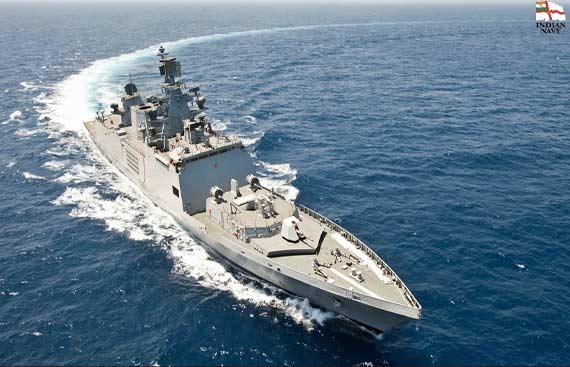
India's Indo-Pacific maritime strategy underscores its commitment to regional cooperation, maritime security, and economic growth through inclusive, law-abiding principles, strategic partnerships, and modernization of naval capabilities. It aims to strengthen India's role as a key regional power.
India has emerged as a pivotal player in the Indo-Pacific landscape due to its unique geographical position and increasing economic and strategic importance. The Indo-Pacific, encompassing the vast stretch of ocean from the eastern coast of Africa to the Pacific Island countries, underscores the growing interconnectedness of global trade, security, and diplomacy. For India, ensuring robust maritime security and safeguarding its interests in this region is not just a matter of strategic necessity but also a testament to its aspirations as a regional power.
India's maritime strategy in the Indo-Pacific is anchored in principles of inclusivity, freedom of navigation, and adherence to international law. Balancing pragmatic policymaking with strategic commitments, India aims to safeguard its economic assets, counter maritime threats, promote regional cooperation, and extend its regional influence. With over 90 percent of its trade by volume dependent on naval routes, securing Sea Lanes of Communication (SLOC) remains paramount. Additionally, India prioritizes addressing emerging challenges such as piracy, armed robbery, and maritime terrorism, particularly in critical chokepoints like the Malacca Strait. Strengthening multilateral alliances, engaging with institutions like ASEAN and the Indian Ocean Rim Association (IORA), and preventing external dominance in the Indo-Pacific further reinforce its strategic objectives.
To achieve these goals, India has launched several key initiatives and policies. The SAGAR Vision (Security and Growth for All in the Region), articulated by Prime Minister Narendra Modi, underscores India's commitment to regional cooperation, capacity-building, and shared security. The Act East Policy, an evolution of the Look East Policy, enhances India's engagement with ASEAN nations and other Indo-Pacific partners, fostering deeper economic and security ties. Through the Quadrilateral Security Dialogue (QUAD), India collaborates with the United States, Japan, and Australia to address regional security challenges. Additionally, India has strengthened its defense and maritime capabilities by signing logistics and security agreements with key partners, including Japan, Australia, and the United States. A significant aspect of India's naval strategy is the modernization of the Indian Navy, which involves expanding indigenous shipbuilding, acquiring advanced submarines, and enhancing maritime surveillance with cutting-edge assets like the P-8I reconnaissance aircraft. Collectively, these initiatives reinforce India’s strategic positioning and contribute to a secure and stable Indo-Pacific.
As the Indo-Pacific region continues to reshape global geopolitics, India is poised to play a pivotal role in fostering a resilient and inclusive regional framework. The country is expected to expand cooperation with like-minded partners to enhance its maritime strategy through emerging initiatives such as the Indo-Pacific Oceans Initiative (IPOI). Additionally, India aims to bolster its naval infrastructure and connectivity to capitalize on its strategic location. Strengthening its capacity for humanitarian assistance and disaster relief (HADR) operations in the Indian Ocean remains a key priority, alongside increased investments in blue economy sectors, including sustainable ocean resources and offshore energy development.
India's maritime strategy in the Indo-Pacific comprehensively reflects its aspirations and challenges as a regional power. By balancing cooperative partnerships with preventive measures, India aims to secure its national interests and contribute to peace, stability, and prosperity in the region. However, its success will depend on adapting swiftly to the evolving regional dynamics, ensuring technological and strategic advancements, and fostering inclusive multilateralism.