

Indian-American Lawyer Awarded the McArthur Fellowship
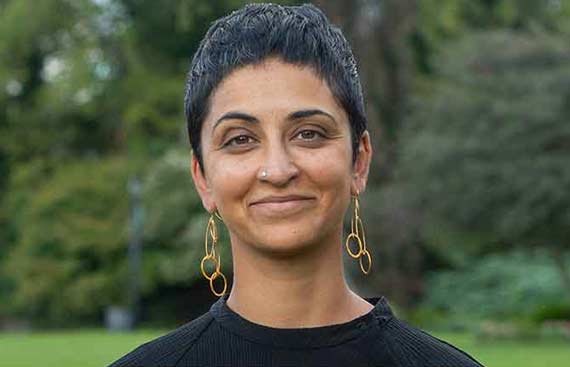
Krishtel is awarded McArthur Fellowship for her excellence in out-circling the inequities in the patent system to facilitate affordable and real-time medications to people globally, eliminating the economic standards
An Indian-American health lawyer is chosen for the McArthur fellowship for her significant contributions to exposing inequities that persist in the medical patent system. Mrs. Priti Krishtel, the honorable awardee, has instigated these timeline measures to favor increased access to affordable, life-saving medications on a global scale.
The MacArthur Fellowship is a prestigious independent award worth up to 800,000 USD. It is generally presented to talented and creative individuals as an investment in their potential. Encircling the technical aspects of the patent system that often causes a disastrous impact on people’s everyday lives, Kristel has instigated a movement centering on people rather than the soaring commercial interests in the medical patents policy.
Mrs. Priti Krishtel expressed her elatedness at being chosen as a nominee for the award. She added that the move would likely bring about promising validations in the discipline and the domain. Kristel excels as one among the top 25 criteria for artists, activists, scholars, and scientists to take the honors of the award.
Kristel initially held a crucial role in increasing access to antiretroviral (ARV) treatments on account of the rising global AIDS epidemic. Working with critical-stage AIDS patients, Mrs. Kristel analyzed the negative impact of patent monopolies on life-saving medication availability, certainly in countries with comparatively lower incomes. She co-founded Initiatives for Medicines, Access, and Knowledge (I-MAK), in 2006, ensuring the public's voice in the pharmaceutical patent system. Mrs. Kristel strongly believes that incentivizing innovation ought to be eliminated from the frontier expenses of equity and public health as they are too crucial to be compromised.
Upholding the idea that medicines ought to be a globally available public good, Mrs. Kristel stresses that people’s ability to heal should scarcely concern their ability to pay or where they reside and thus redefines the existing hierarchy of health. Meanwhile, blocks in the patent system often protract as the power to access medicine avails only to the elite society.
The prestigious awardee holds a Bachelorette in Arts (1999) from the University of California at Berkeley and a JD (2002) from the New York University School of Law. Before this pilot initiative, she worked with various Indian NGO Lawyers Collective (2003-2006) to facilitate medicine to people of all societies across multiple regions. She contributed to numerous scientific journals and media platforms like Science, Journal of the International AIDS Society, San Francisco Chronicle, The British Medical Journal, The New York Times, and USA Today.


