Indian-American Entrepreneur, Now White House's AI Policy Advisor
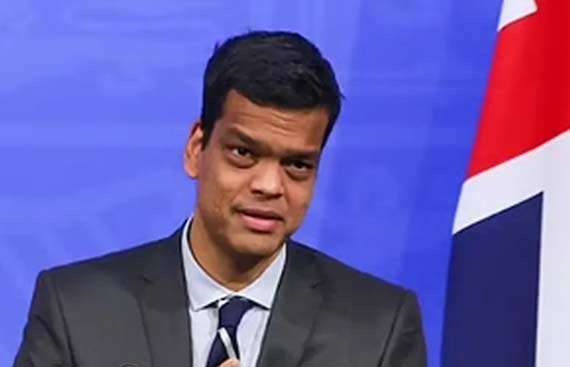
Sriram Krishnan, an Indian-American entrepreneur, has been appointed as the White House's AI policy advisor to shape U.S. AI innovation and governance.
Sriram Krishnan, a Silicon Valley veteran and venture capitalist, has been appointed Senior White House Policy Advisor on artificial intelligence (AI) under President-elect Donald Trump’s administration. The announcement underscores a commitment to advancing U.S. leadership in AI innovation amidst a rapidly evolving global technology landscape.
Krishnan, an Indian-American entrepreneur with deep roots in the tech industry, brings decades of expertise from his roles at industry giants like Facebook, Twitter, Snap and Yahoo! As a General Partner at Andreessen Horowitz, one of Silicon Valley’s most prestigious venture capital firms, he has also been instrumental in supporting early-stage startups focusing on AI and emerging technologies.
From Chennai to Silicon Valley
Born and raised in Chennai, India, Krishnan’s journey into the world of technology is remarkable. Growing up in a middle-class household, he developed an early interest in computers despite limited resources. His determination led him to pursue a Bachelor of Technology in Information Technology from SRM University.
In 2007, Krishnan joined Microsoft, contributing to the foundational work on Windows Azure, the company’s foray into cloud computing. Over the years, he transitioned to product leadership roles at major tech companies, where he became known for spearheading innovative initiatives and enhancing user experiences.
A Strategic Appointment
Krishnan’s appointment comes as the United States aims to solidify its dominance in AI amid rising competition from global players. At the White House Office of Science and Technology Policy, he will work closely with other key advisors, including David Sacks, to shape AI policies that foster innovation while addressing ethical and regulatory challenges.
In his new role, Krishnan is expected to leverage his technical expertise and industry experience to ensure the U.S. maintains its competitive edge. His focus will likely include fostering public-private partnerships, addressing ethical concerns and guiding legislation to balance innovation with accountability.
Mixed Reactions to the Move
The appointment has drawn mixed reactions, reflecting the broader debate over immigration and its role in the tech industry. Critics from the populist MAGA movement have voiced concerns about Krishnan’s heritage and his advocacy for expanding H-1B visas, which they argue could impact wages for American tech workers.
On the other hand, supporters, including Indian-American Congressman Ro Khanna, have championed Krishnan’s appointment as a testament to immigrants' contributions to shaping American exceptionalism.
As Krishnan steps into his pivotal role, the stakes are high. The U.S. faces mounting pressure to address challenges in AI governance, from ethical use to global collaboration. With a track record of bridging technological innovation and strategic leadership, Krishnan’s impact on AI policy could shape the trajectory of American technology for years to come.