

Indian Navy Makes a Pact With US or France for Fighter Planes
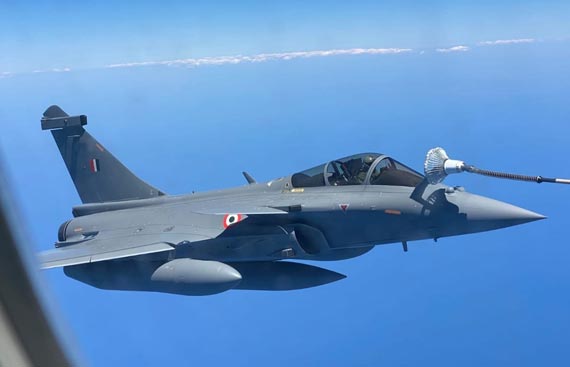
Navy is in the process of expediting a trial report into an operational demonstration by Rafale M of French firm Dassault Aviation and F/A 18 Super Hornet of
According to senior naval personnel, the Indian Navy would engage in a government-to-government agreement with either the US or French government to purchase over twenty fighter aircraft. The Navy was expediting a trial report into the operational demonstration by the French business Dassault Aviation's Rafale M and American company Boeing's F/A 18 Super Hornet, sources in the defense and security establishment. The sources added that the report should be finished in two months and that additional clarifications could be requested from the two disputing corporations. By the end of 2022, the Navy intends to submit the acquisition proposal to the ministry of defense. The U.S. and India's strategic alliance may be young, but given the importance of India and the quickly evolving security environment in the Indo-Pacific, there needs to be a turning point in the bilateral relationship that involves a significant U.S. technology transfer project. Aircraft engines and nuclear and conventional naval propulsion systems are examples of potential technology transfer areas.
It was originally planned that the Navy would purchase 57 aircraft, but now only plans to acquire 26. The Chief Admiral, however, responded that a final number would be decided in due course when asked how many aircraft the Navy was considering purchasing. The Navy is interested in the twin-engine deck-based fighter (TEDBF), the Vice Chief added, which is being developed by the Defense Research and Development Organization (DRDO). The Russian MiG 29K aircraft are now flown by the Navy out of INS Vikramaditya. By August 15 of this year, a second aircraft carrier will be put into service. As per the sources, the Navy was only considering a minimal number of foreign aircraft to keep it operationally active as it waited for TEDBF deliveries. They added that the MiG 29K has numerous operational problems and that new fighters are required because some of them will be decommissioned over the next ten years.
India and the U.S. could investigate powerful directed energy weapons in the future to combat airborne threats like fighter jets and drones. Other potential technologies they may work together on including hypersonic missiles and effective and affordable countermeasures against tiny and swarm drones. There may be opportunities in the cyber and space sectors as well, but they will be less apparent.


