India-EU Push Forward on FTA Amid Growing Strategic Convergence
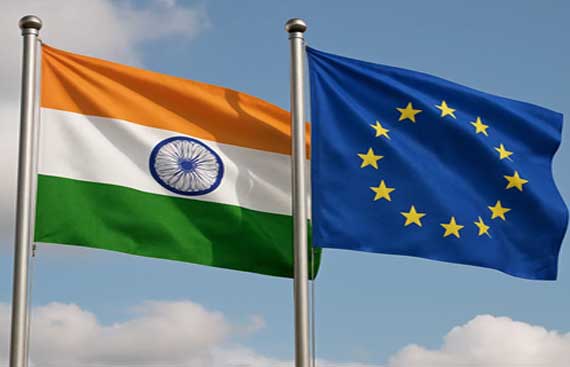
India and the European Union (EU) are making steady progress in negotiations for a long-anticipated Free Trade Agreement (FTA), which significantly elevates their strategic and economic relationship. The latest round of diplomatic engagements took place during External Affairs Minister S. Jaishankar’s visit to Brussels on June 11, where he met with key EU officials to advance the dialogue.
During discussions with Maros Sefcovic, the European Commissioner for Trade and Economic Security, both sides acknowledged recent progress toward a comprehensive, balanced, and mutually beneficial trade agreement. This agreement is not just a milestone in India-EU ties, but also a testament to the growing convergence in their economic and geopolitical interests. The reshaping of the trade pact to address modern global challenges, with a new emphasis on digital trade, sustainable development, and resilient supply chains, promises a future of reduced tariffs, enhanced investment flows, and collaboration in high-growth sectors such as clean energy and advanced manufacturing.
The EU side described the meeting as not just productive but strategically valuable, reiterating its commitment to deepening the economic partnership. The expectation is that further talks will continue soon, with India’s Commerce Minister Piyush Goyal scheduled to engage in follow-up discussions with EU representatives. This emphasis on the strategic value of the meeting underscores the significance of the India-EU relationship.
Broadening Strategic Ties Beyond Trade
In addition to trade, Jaishankar’s visit focused on strengthening broader strategic collaboration. He held talks with Jozef Sikela, EU Commissioner for International Partnerships, to review bilateral initiatives and joint goals under the EU-India Strategic Agenda and the Global Gateway initiative. The Global Gateway is the EU’s flagship strategy for building sustainable and trusted global infrastructure partnerships, and India is playing an increasingly central role in this framework.
During the meeting, both sides discussed the progress of the India-Middle East-Europe Corridor (IMEC), a major connectivity initiative aimed at enhancing trade and transport infrastructure across key regions. The corridor serves as a critical link connecting Indian, Middle Eastern, and European economies, promoting faster and more secure supply routes. The agenda also included discussions on sustainable urbanisation, clean energy transitions, and digital connectivity. India and the EU reiterated their shared priorities in these areas, underlining the importance of green technologies, smart cities, and innovation-driven development. This alignment of goals reassures us of the potential for impactful collaboration in these crucial areas.
Toward a Long-Term Global Partnership
A key outcome of Jaishankar’s engagements was the signing of a trilateral cooperation arrangement focused on enhancing partnerships with the Global South. The initiative aims to combine Indian and European Union (EU) expertise to support development goals in third countries, particularly in Asia and Africa. This collaboration will prioritise clean infrastructure, energy security, and climate resilience. Jaishankar’s week-long European visit includes stops in France and Belgium, as well as meetings at the EU headquarters in Brussels. The tour reflects India’s broader effort to diversify its global partnerships, particularly with regions that share similar values, including sustainable growth and economic reform.
Observers note that India’s relationship with the EU is evolving from a largely trade-focused engagement into a more strategic alliance. As both regions face challenges such as climate change, geopolitical fragmentation, and shifting supply chains, their shared interests are pushing them toward deeper integration across multiple domains. The FTA, once finalised, is expected to anchor this growing partnership. However, negotiations will need to address a range of issues, including regulatory alignment, data protection, market access, and environmental standards. Despite these complexities, recent diplomatic exchanges suggest a strong political will on both sides to move the deal forward.
India and the EU are increasingly positioning themselves as reliable, like-minded partners in the developing global order. The current momentum around trade, connectivity, and sustainability cooperation points toward a relationship that could become one of the defining global partnerships of the decade.