

India Slashes Import Tariffs to Boost Trade and Counter Protectionist Label
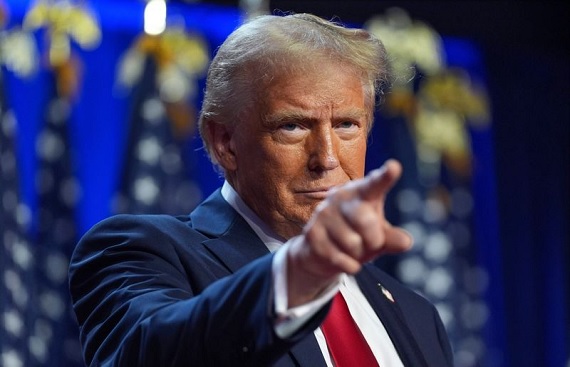
India has cut its import tariffs sharply in a variety of sectors, signaling its commitment to a more open and competitive economy, a strategic move in countering the rising trade tensions with the U.S. Changes announced in the Union Budget would help India wean away from protectionist policies and avoid the possibility of retaliation from former U.S. President Donald Trump, who had termed India a 'tariff king'.
The cuts touch upon a broad range of industries, from electronics to textiles. It is considered one of the most comprehensive reforms of India's import tax regime in recent memory. The major takeaway is that duties on premium motorcycles, including those made by Harley-Davidson Inc., have been slashed, an area of long-time complaint by President Trump.
Finance Secretary Tuhin Kanta Pandey said India wants to end the perception of being a protectionist nation. 'We are signalling that India is not a tariff king', he told an interviewer. 'We are indicating that we are a competitive economy and we are open for business".
The timing of India's decision is particularly interesting, as this decision fell just a day before Trump threatened new tariffs on Canada, Mexico, and China, which led to retaliatory measures and set the world abuzz. Previously, Bloomberg News had reported that New Delhi had been considering a range of options, including the possibility of a U.S.-Indian trade agreement, reduction in certain tariffs and/or increased imports of American goods, to reduce the threat of trade action by Washington. Besides, India has indicated its intention to cooperate in customs matters dealing with the identification and repatriation of undocumented Indian migrants in the U.S.
The message to the domestic businesses, however, was quite clear: protectionism is not the way forward. 'Don't get into protectionist mode', Pandey reiterated. India's average import duty has been reduced to 10.66% from 11.65% under the revised tariff structure, believes Sanjay Kumar Agarwal, Chairman of the Central Board of Indirect Taxes and Customs.
Pratik Jain, partner with PwC India, characterized the overhaul as a significant one both in the area of simplification and for keeping pace with evolving geopolitical dynamics. "The government has chosen clearly not to use tariffs as a protectionist tool despite the rise in global trade tensions. It aligns India with the global supply chain as highlighted by the budget speech", he observed.
Specifically, the tariff cuts on motorcycles are expected to improve the situation of countries without a free trade agreement that export to India, which includes the U.S. Effective import rates for motorcycles had fallen by 10-20%, making American brands much more competitive in India's marketplace.
India has also stayed away from any BRICS initiative to replace the U.S. dollar with a common currency. Responding to Trump's threat of 100% tariffs on BRICS nations if they went ahead with such a move, Pandey clarified, "We have no intention to replace the dollar as a currency. Also, we don't align with China on the BRICS currency".
India looks to consolidate its position as an emerging economic power with the proposed tariff reforms, which also strengthen trade relations with important partners across the world.


