India Seeks Early Gains in Trade Talks with US Ahead of Tariff Deadline
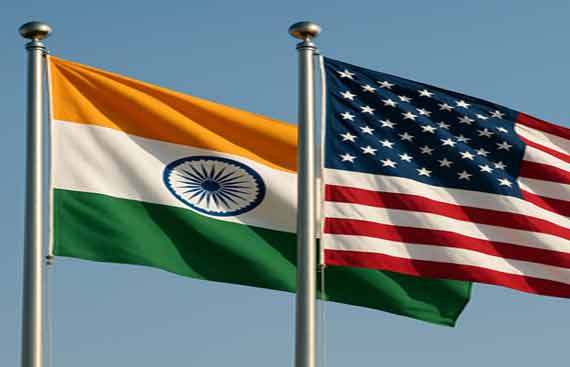
India is pursuing a three-stage trade agreement with the United States. It aims to secure an interim deal before July, when President Donald Trump's reciprocal tariffs are expected to take effect.
FREMONT, CA: India is in advanced discussions with the United States to structure a trade agreement in three phases, with the first interim deal anticipated to be finalized before July. The move comes as New Delhi seeks to avoid the imposition of reciprocal tariffs announced by US President Donald Trump while pushing for early trade wins ahead of more complex negotiations later in the year. If successful, the trade agreement could lower prices for certain goods and increase job opportunities, benefiting the general public.
According to officials familiar with the discussions, the initial tranche of the agreement focuses on relatively straightforward trade issues. These include enhanced market access for select industrial and agricultural goods and removing or easing specific non-tariff barriers, such as quality certification and inspection requirements. The interim deal delivers quick results while laying the groundwork for broader engagement.
The talks remain ongoing, and there is no formal confirmation that the US side has agreed to the three-phase structure proposed by India. However, both sides are actively engaged, with India’s Commerce Minister Piyush Goyal currently in Washington for a four-day visit. Goyal has already held meetings with US Commerce Secretary Howard Lutnick and met US Trade Representative Jamieson Greer before the end of the trip on Tuesday. In a brief social media update, Goyal described the discussions as positive and aimed at moving the first tranche of the agreement forward. The US Trade Representative’s office and the Department of Commerce declined to comment.
The second phase of the proposed trade deal is to be more comprehensive, likely covering around 19 sectors previously identified in a bilateral terms-of-reference framework agreed upon in April. These areas may include digital trade, services, intellectual property, environmental standards, and trade facilitation measures. This broader agreement is tentatively targeted for conclusion between September and November and may coincide with a potential visit by President Trump to India for the Quad leaders’ summit. The timing is politically significant for both countries, given upcoming elections in the US and rising pressure to secure tangible trade outcomes.
The final leg of the agreement would involve a more detailed and legally binding trade deal requiring approval from the US Congress for this comprehensive pact before 2026. India’s trade talks with the US resumed momentum following Prime Minister Narendra Modi’s February visit to the White House. During that visit, both leaders committed to accelerating efforts to expand bilateral trade and economic cooperation. Since then, India has signaled its willingness to pursue “early mutual wins” while working toward a larger trade framework over time.
Despite progress, recent developments indicate some strains in the negotiations. India has adopted a firmer stance recently, including the threat of retaliatory tariffs on US goods should talks stall. At the same time, President Trump has made public statements suggesting India has offered to eliminate tariffs on US exports, claims that Indian officials have not confirmed.
Adding to the friction, Trump has repeatedly referenced what he describes as his role in brokering a ceasefire between India and Pakistan during a recent military standoff. While his involvement has been acknowledged, Indian officials have dismissed some of his remarks, contributing to diplomatic unease in New Delhi.
Nonetheless, Indian officials maintain that the negotiations are moving forward and that a phased approach remains the best path to achieving a balanced and comprehensive agreement. The interim deal expected before July is seen as a critical first step in that process, allowing both sides to demonstrate goodwill and set the stage for deeper trade cooperation in the months ahead.