

India, Saudi Arabia Sign 5-Year Deal for 3.1 MT DAP Fertiliser Supply
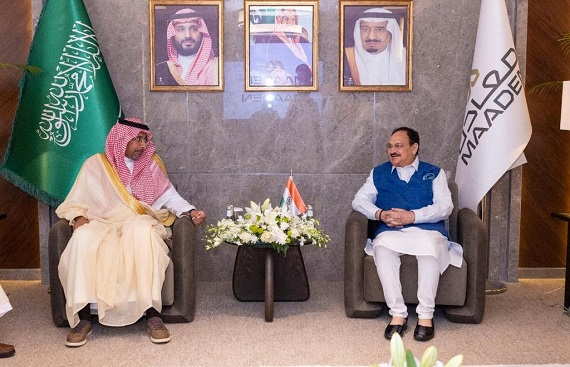
- India signs a landmark 5-year deal with Saudi Arabia to import 3.1 million tonnes of DAP fertiliser annually, amid China’s phosphate export curbs.
- Agreement inked during Minister J.P. Nadda’s Riyadh visit; also explores mutual investments in fertiliser industries.
- The deal ensures Kharif season supply security and signals India's strategic pivot to diversify fertiliser sources beyond China.
India has signed a historic five-year deal with Saudi Arabia to import 3.1 million tonnes of DAP (di ammonium phosphate) fertiliser every year, with an optional five-year extension. The agreement, signed by Indian fertiliser majors IPL, KRIBHCO and CIL and Saudi Ma'aden, was signed in the wake of Beijing's recent curb on exports of phosphates, a critical raw material for DAP, which had threatened India's farm supply chain.
The deal was inked on Chemicals and Fertilisers Minister J.P. Nadda's official Riyadh visit, in which he also had high-level talks with Saudi authorities including Minister of Industry and Mineral Resources Bandar bin Ibrahim Al Khorayef. Besides getting the fertiliser, the two countries are also looking into more investment opportunities. Indian PSUs would be investing in Saudi fertiliser facilities, and Saudi investors are eyeing India's fertiliser industry indicating a strengthening of economic ties going beyond pure resource transactions.
This strategic alliance responds to India's kharif planting season immediate needs, where DAP is critical during planting. With China suspending exports of specialty fertilizers since June 26, and putting in place broader export restrictions on phosphate, India was at high risk of supply shortage, which could have taken a serious hit on crop yields.
During fiscal year 2024–25, India's imports of DAP from Saudi Arabia rose to 1.905 million tonnes, a significant increase from last year's 1.629 million tonnes, highlighting the changing dynamics in international fertilizer procurement. The new agreement not only increases India's stockpile of DAP but also obliges both countries to extend cooperation to other fertilizers like urea, thus ensuring long term supply dependability.
This alignment with Saudi Arabia part of a larger initiative to diversify supply chains and break dependence on China is a geopolitical maneuver that enhances India's food security resilience. It is an expression of India's strategic realignment to access key commodities through diversified relationships, while making energy rich Saudi Arabia a reliable partner in food security. Minister Nadda's visit thus initiated both short term relief for farmers and long term structural cooperation between the two countries.


