India Plans Fast-Tracked Trade Deal with US to Remove Tariffs
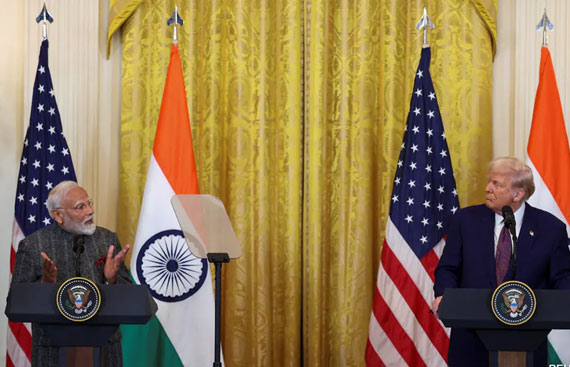
India plans duty-free US imports, including PLI sectors, under a proposed trade deal with strict origin rules, aiming to boost exports and reach a $500 billion trade.
FREMONT, CA: India is considering offering duty-free access to a broad range of US products, including those under the country’s flagship Production Linked Incentive (PLI) schemes. The move is part of broader negotiations to advance a bilateral trade agreement (BTA) with the United States. If successful, it could lead to the removal of the 26 percent reciprocal tariff imposed on Indian goods by the US, potentially opening up new avenues for Indian exports and economic growth.
PLI-Linked Sectors on the Table
India’s PLI programme, covering 14 strategic sectors with a total allocation of ₹1.97 lakh crore, is a testament to the global competitiveness of its domestic industries. These sectors, including mobile phones, white goods, drones, telecom, textiles, automotive components, specialty steel, and pharmaceuticals, are at the forefront of the global market. The plan to include PLI-covered sectors in the duty-free offer further underscores India’s growing confidence in its manufacturing capabilities, a source of pride for its achievements.
India's proposal for duty-free access is not just about opening doors, but also about guarding against unwanted intruders. It involves rigorous rules of origin and value addition requirements of 30–40 percent, alongside modifications to tariff classifications. These measures ensure that only genuine US-origin products benefit from lower or zero tariffs, preventing third-country goods from gaining backdoor access to the Indian market.
Consultations Underway Across Ministries
Government departments consult with industry bodies and associations, recognizing their invaluable expertise and insights. The goal is to assess which sectors benefit the most from a BTA with the US. Inputs regarding possible tariff reductions and the potential impact on domestic producers are being sought. These consultations are part of India’s strategic planning to ensure the BTA supports long-term industrial growth and export competitiveness.
The prospect of zero-for-zero tariffs aligns with India’s broader objective to integrate more deeply into global value chains. Many Indian manufacturers, particularly those bolstered by the PLI incentives, have demonstrated their resilience and are now seen as capable of sustaining production without protectionist tariffs. Lowering import duties could improve access to US markets and allow these firms to scale up exports in high-potential sectors, further solidifying the industry's resilience.
India aims to complete the initial phase of the BTA within six months, with complete agreement targeted by fall 2025. With the assurance of rigorous origin rules and ongoing consultations to safeguard national interests, the proposed BTA could unlock significant opportunities for both countries, boosting exports, strengthening supply chains, and helping achieve the ambitious $500 billion bilateral trade target by 2030.