

India Explores Acquisition of Sri Lankan Graphite Mines
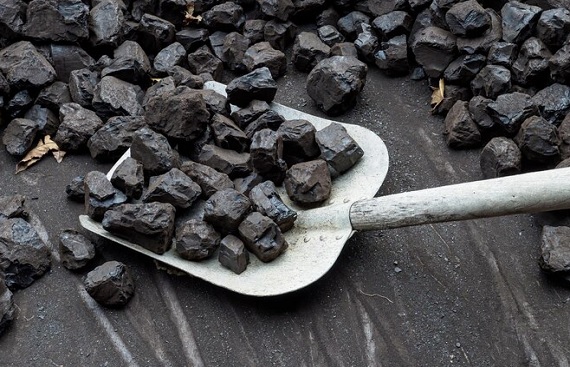
India is in preliminary discussions with Sri Lanka to acquire graphite mines in the island nation, sources have revealed. This move comes in response to the increasing demand for graphite, a critical component in lithium-ion and other batteries due to its use in anodes. The graphite found in Sri Lanka is noted for its high quality, making it a strategic interest for India.
Graphite is listed among the 30 critical minerals identified by the Indian government last year. Recognizing the importance of securing these minerals, the government has directed public sector companies such as Coal India, NMDC, and ONGC Videsh Ltd (OVL) to actively pursue critical mineral assets abroad. OVL, the overseas investment arm of the state-owned Oil and Natural Gas Corporation, already has a global presence and is poised to expand its reach in the mineral sector.
Additionally, Khanij Bidesh India Ltd (KABIL), a joint venture of three public sector enterprises National Aluminium Company Ltd (Nalco), Hindustan Copper Ltd (HCL), and Mineral Exploration and Consultancy Ltd (MECL) has been established to identify and acquire mineral assets overseas. KABIL's formation underscores India's strategic initiative to secure essential minerals for its burgeoning clean energy sector.
India's interest in Sri Lankan graphite is part of a broader strategy to secure critical minerals necessary for the development of clean energy technologies, such as wind turbines, electric vehicles, and advanced electricity networks. The government is also exploring opportunities for partnerships with Chile to access copper and lithium reserves.
As the global demand for clean energy technologies grows, India's proactive approach in securing critical mineral resources is crucial for sustaining its energy transition and technological advancement. The ongoing discussions with Sri Lanka represent a significant step in this direction, although the talks are still at an early stage.


