

India, China Caught in Crossfire as US Imposes Tariff on Venezuelan Oil
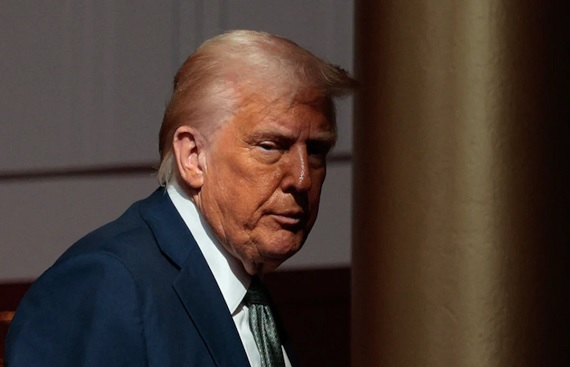
US President Donald Trump said that he would impose a 25% tariff on nations buying oil and gas from Venezuela, a move that could disrupt global trade and affect major importers such as India and China. The move, presented as a reaction to what Trump has termed Venezuela's hostility towards the United States, will take effect on April 2 and is likely to further test diplomatic and economic ties.
Trump announced it through his Truth Social platform that any nation buying Venezuelan oil or gas would be included in the tariff on all commerce with the US. Under a presidential order, the tariff would lapse after a year since the last reported import of Venezuelan oil by a nation unless Washington would decide to roll it back earlier. The move is likely to generate uncertainty in the international oil market, hitting India the hardest since it has become one of Venezuela's largest crude buyers.
India has been a major buyer of Venezuelan crude, with imports averaging about 191,600 barrels a day in December 2023 and rising to more than 254,000 barrels per day in January 2024. India alone purchased almost half of Venezuela's total oil exports, which averaged about 557,000 barrels a day last month. India imported a total of 22 million barrels of oil from Venezuela in 2024, which accounts for 1.5% of its overall crude purchases. At the same time, Venezuela shipped 500,000 barrels per day to China and 240,000 barrels per day to the US in February, further reaffirming its position as a major supplier of oil on the global market.
The tariff threat occurs at a time when diplomatic relations between Washington and Caracas are worsening. Last month, Trump postponed deportation flights of Venezuelan migrants due to non-cooperation by Venezuela in taking back deported citizens. Venezuela retaliated by saying it would no longer take repatriation flights from the US. An over-the-weekend deal, however, saw almost 200 Venezuelan citizens deported through Honduras, temporarily alleviating tensions.
Trump's latest action has already raised oil prices, with Brent crude futures up 1.2% to $73 a barrel and US West Texas Intermediate crude up 1.2% to $69.11 a barrel. The market reaction shows worries about the possibility of supply disruptions and how the new tariff will affect the global energy trade. Yet, the US government has also extended the deadline for oil producer Chevron to wind down its operations and exports from Venezuela until May 27, giving some relief to the market. The initial deadline was March 4, but the extension can give temporary stability before the full effect of Trump's tariff policy is realized.
Since coming back to the White House in January, Trump has pursued tariffs with a vengeance as a economic and diplomatic bargaining tool against allies and rivals alike. His most recent order directs the secretary of state, along with other US agencies, to decide the terms of the tariff's application. Trump indicated that the additional tariff would come on top of already imposed duties and presented April 2 as 'Liberation Day' for the American economy, portending additional trade actions in weeks ahead.
The White House has indicated that while sector-specific duties may be imposed on other industries, the approach could be adjusted in response to market and geopolitical conditions. The enforcement of the tariff remains uncertain, but its potential impact on India’s oil supply and trade relations with the US is a growing concern. The decision could force India to reconsider its energy procurement strategies, potentially leading to shifts in global crude oil dynamics.


