

India and Mediterranean Nations Eye Stronger Defense Cooperation
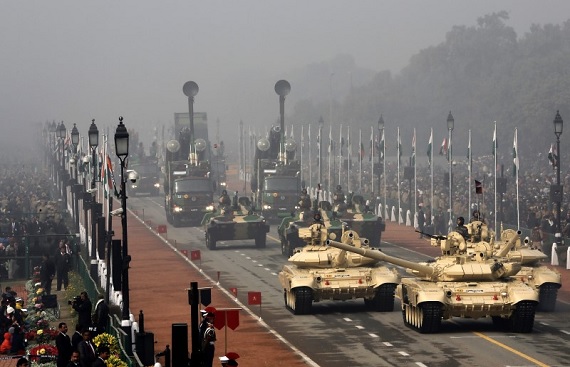
In the 2024-25 budget, India raised its defense allocation by 6.7 percent, prioritizing the modernization of ammunition and infrastructure. This increase opens up new opportunities for deeper collaboration between India and the Mediterranean region. Enhanced intelligence-sharing and counter-terrorism efforts can help tackle shared security challenges while capacity-building initiatives can build trust and improve operational effectiveness.
Moreover, collaboration in defence manufacturing, technology transfer and joint research and development can open a new door of partnerships. By working together, India and Mediterranean countries can develop cutting-edge technologies that benefit their respective defence industries. Joint ventures and co-production of advanced military systems would enable both regions to capitalize on each other's expertise, promoting innovation and competitiveness in the global defence market.
At the India Mediterranean Business Conclave, Puneet Kaura, Managing Director and CEO of Samtel Avionics said the increasing global defence spending, is driven by the need for enhanced security and advanced weapons capabilities. "India is modernizing its armed forces at a fast pace", Kaura stated, highlighting India’s USD 20 billion annual defence budget and the government's focus on local manufacturing.
Kaura emphasized the significance of partnerships between India and global players, particularly in the Mediterranean region, to drive technological growth through joint ventures and skill development. Both sides agree that such collaborations could also strengthen economic ties, creating new opportunities for trade and investment. Ultimately, increased cooperation in defense between India and the Mediterranean region will bolster security, stimulate industrial growth, and advance technological innovation, paving the way for a more secure and prosperous future for both regions.
Jose Antonio Porto, Managing Director of Navantia India Liaison Office, called for global collaboration in defence development, emphasizing that no company can evolve without cooperating with international partners. He viewed India’s policy as a gateway for Western firms to collaborate with Indian companies for global technological advancements.
Octavian Gh. Roca-Nastase, an International Affairs Advisor from Romania's SN Nuclearelectrica, highlighted the critical connection between energy security and defense. He emphasized that Romania's diverse energy mix, particularly its dependence on nuclear energy, is essential for both national security and military infrastructure. Earlier, External Affairs Minister S. Jaishankar remarked that Mediterranean nations hold a key position in connecting the Atlantic with the Indo-Pacific, as India aims to strengthen ties in the context of its rapidly expanding economy.
India’s trade with the Mediterranean reached USD 77.89 billion, which is an increase of about USD 10.89 billion from the previous year. Addressing the same Conclave in New Delhi, Jayshankar reiterated the long-standing historical connections between India and the Mediterranean. He also said that there is a huge opportunity for deeper economic and strategic ties and highlighted the region's centuries-old trade routes that have facilitated the exchange of goods, ideas and cultures between the East and West.
Jaishankar also presented the India-Middle East-Europe Economic Corridor (IMEC), unveiled at the G20 Summit in New Delhi, as a key initiative to boost global connectivity. He highlighted that IMEC could become a foundational platform for economic collaboration, driving sustainable growth and resilience across important regions.


