

Important Signs That It's Time for a New Mattress
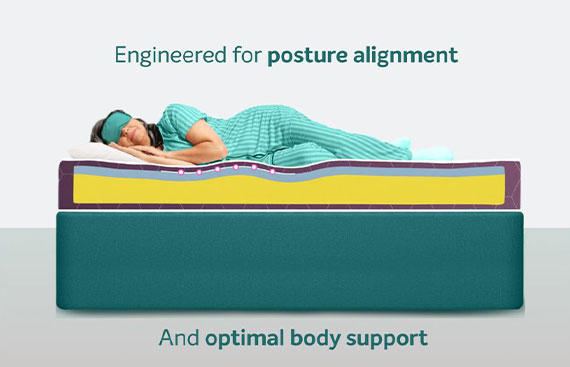
Just like everything else, mattresses come with a limited lifespan, despite what brands may claim. Even the most durable best bed mattress start to wear down at some point, losing the support and comfort they were designed to provide. This deterioration often leads to tossing and turning and waking up unrested for sleepers. There’s enough research to support that these sleep problems increase the risk of developing chronic back pain, obesity, and heart disease among sleepers.
While many people realise the connection between mattress quality and sleep problems, they often fail to notice when their mattress is wearing out. Why? Because they don't know how a worn-out mattress looks or when it needs replacing, exposing themselves to sleep-related health problems.
So, what are some of the signs you need a new bed mattress? There is no clear-cut answer since several factors play a role here. Let’s find out:
Mattress Lifespan and the Need for Replacement
Experts say mattress lifespan is a good sign you should buy a new mattress online. Most mattresses have a lifespan of 5-7 years, while some may last longer depending on usage and materials. So, if your mattress is 7 years old, it’s about time you should get a new sleeping mattress.
That said, some mattresses can go bad even before their expected lifespan. Some factors affecting mattress lifespan include:
- Material: The durability of a sleeping mattress is largely influenced by its material. Low-quality memory foam and innerspring mattresses have shorter lifespans. Whereas hybrid mattresses, often made with higher-quality materials, tend to be more durable. Latex mattresses and Nexa foam mattresses are considered the most durable.
- Maintenance: How you keep your mattress also affects its lifespan. Unsurprisingly, a well-maintained mattress lasts longer. As a general rule of thumb, you should rotate your mattress every three months or as recommended by the manufacturer. Even better, use a mattress protector to extend its life.
- Children and Pets: Children and pets are known for their playful activities like jumping and moving on mattresses, wearing them down sooner rather than later. If you have children or pets, you might need to replace your mattress more often.
- Sleeper Size and Weight: Your body size and weight also determine the lifespan of your mattress. Heavier people may find their mattresses sagging faster than lighter people. The same goes for couples who are more likely to need mattress replacements sooner than single sleepers.
Important Signs It’s Time to Replace Your Mattress
Even the best quality mattresses, such as Nexa foam mattresses, typically last about seven years. If your mattress is older than this, consider replacing it. However, age isn't the only factor. Here are some signs you need a new mattress:
You are Struggling to Find a Comfortable Sleeping Position
A comfortable sleep position sets the stage for a peaceful and pleasant sleep experience. If you toss and turn all night, your mattress might be to blame. It is likely to happen because of an unsupportive or bad mattress, which can degrade sleep quality and lead to behavioural changes and mental stress. If you can’t find a comfortable position most nights, consider investing in a comfortable mattress.
Your Body Needs are Changing
The human body changes now and then. Weight changes, medical conditions, and joint pain are some of the common changes people experience. These changes can require a new mattress to meet the evolving health needs. For example, weight gain or loss may necessitate a mattress with adjustable firmness. Joint pain or respiratory issues might need you to invest in an orthopaedic mattress or one with anti-allergic technology, such as Sleepwell’s Pro Nexa Comfort, for a comfortable sleeping experience.
You Experience Soreness or Stiffness Upon Waking
The best quality mattress offers excellent spinal support, ensuring proper sleep posture without excessive sinking. That said, as it ages, it loses its supportive properties, causing discomfort and stiffness. One of the signs of a mattress losing its supportive properties is frequent soreness or stiffness upon waking. If you experience pain, stiffness or soreness in the morning, it’s about time you should invest in the best mattress.
You See Visible Sagging in the Mattress
Over time, even the best mattresses sag, especially in areas of frequent pressure, such as hips and upper back, resulting in permanent body impressions. This uneven surface compromises spinal support, causing neck or lower back pain. If you see sagging or body impressions in the mattress, you should buy a new mattress.
Waking Up Sweaty
Low-quality foam mattresses tend to generate a lot of heat, trapping it and preventing airflow. As a result, you may get hot during sleep and experience night sweats. So, if you wake up sweaty, particularly in areas in direct contact with the mattress, you should replace your mattress with the one that comes with cooling technology or temperature regulation such as Sleepwell’s Pro Nexa Comfort mattress.
Allergen and Dust mites
Cheap mattresses tend to accumulate allergens and dust mites over time, which can lead to allergies and skin issues among sleepers. These irritants can also cause sinus problems and itching. To minimise health risks associated with dust mites and allergens, it's essential to invest in the best mattresses that come with anti-microbial technology. It’s also important to replace your mattress and choose one that meets your health needs.
These signs suggest your current mattress is no longer suitable, and you should buy a new one that fits your needs. Look for the best quality mattress that provides comfort, supports your spine, and offers pressure relief for a deep, restful sleep.
How a Bad Mattress Affects Your Health
Continuing to sleep on a bad mattress can formally invite a breadth of health problems, with chronic back pain being one of the most concerning. When you avoid buying a new bed mattress, here’s what you are inviting:
- Drowsiness
It’s no secret that a low-quality mattress disrupts deep sleep, causing frequent interruptions throughout the night. This results in feeling unrested, tired, and drowsy in the morning, affecting alertness and increasing the risk of mishaps at work, while driving, or during other activities.
- Low Back Pain
A bed mattress that loses its supportive properties fails to keep your spine aligned, significantly increasing the risk of developing lower back pain. Studies indicate that people who sleep on overly firm mattresses are more likely to develop chronic back pain compared to those who use medium-firm mattresses.
- Weakened Immunity
A bad mattress can negatively affect sleep quality, and poor sleep quality can weaken your immune system. How? Sleep helps release cytokines that help fight infections and illnesses. Without adequate sleep, your body produces fewer cytokines, reducing its ability to combat infections and recover from injuries.
- Unhealthy Weight Gain
When you don’t sleep well, you get sleep deprived and feel fatigued. This tricks your brain into thinking you're low on energy, making you eat compulsively. So much so that many people snack during the night when they can't sleep properly. Over time, this can lead to weight gain and an increased risk of obesity, diabetes, and heart disease.
- Respiratory Problems
Experts say that mattresses can become breeding grounds for dust mites, allergens, and other harmful elements if not cared for properly. This increases the risk of respiratory illnesses such as asthma and bronchitis. Additionally, allergens in mattresses can cause skin irritation and other problems.
- Premature Ageing
Study suggests that lack of sleep or poor sleep makes your cell grow faster. This means you develop visible signs of ageing, including dark circles, stretchy skin, and baggy eyes when you don't sleep well. Investing in a high-quality sleeping mattress can promote sound sleep and help prevent these signs.
- Cardiovascular Problems
Insufficient sleep is linked to an increased risk of cardiovascular disease. Research shows that people who sleep less than 7-8 hours are at a 48% higher risk of developing heart disease. If your mattress prevents deep sleep, it could be putting your heart at risk.
- Reduced Libido
Lack of sleep is associated with reduced sex drive. Research indicates that men who don’t sleep enough have lower testosterone levels, which is crucial for libido. If you want to feel and perform well in bed, you should always keep your mattress in tip-top health and replace it when it goes bad.
Final Note
A bad mattress can severely impact your health, from disrupting sleep cycles to causing chronic back pain and weakened immunity. That’s why it's crucial to recognize the signs of a poor-quality mattress and replace it with one that supports your health.
When buying a new bed mattress, ensure it offers spinal support, comfort, and durability. Also look for additional features such as anti-microbial properties, temperature regulation, and motion isolation, so you sleep comfortably and without disruption.


