

How is India a Skills First Economy?
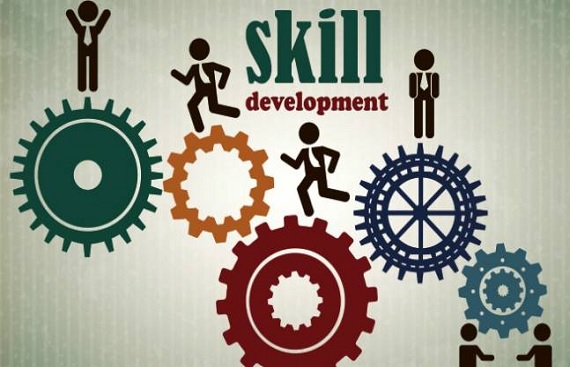
Amid a rapidly evolving global economic landscape, India has embarked on a transformative journey that seeks to redefine its role as a skills-first economy. This paradigm shift is a testament to India's unwavering commitment to recognizing that a highly skilled workforce is a valuable asset and the backbone of sustainable economic growth, innovation, and global competitiveness. It explores India's remarkable progress across a spectrum of industry sectors, each of which plays a unique and crucial role in India's economic transformation. At the heart of this transformation lies the pivotal role of skill development, a catalyst that empowers individuals, organizations, and the nation.
What is Skill Development and how does it impact?
India's transition towards a skills-first economy is not a coincidence; it's a well-thought-out strategy to thrive in the 21st-century global marketplace. At its core, this strategy recognizes the indispensable role of skill development in nurturing a workforce that is employable and adept at navigating modern industry's complexities. Skill development programs have become the cornerstone of this strategy, serving as a powerful bridge between education and employment. They are designed to equip individuals with the competencies the rapidly changing job market requires. The overarching goal is to create jobs and foster a culture of lifelong learning, adaptability, and entrepreneurship.
Pillar of India's IT sector
India's Information Technology (IT) sector is emblematic of its commitment to a skills-first approach. This industry, which has grown exponentially over the past few decades, has catapulted India onto the global stage as a technology powerhouse. What lies at the heart of this success story is a workforce skilled in the nuances of software development, data analysis, artificial intelligence, and emerging technologies. As the world continues to advance in areas such as cloud computing, cyber security, and machine learning, India's IT professionals are not just keeping pace but often leading the charge. This industry's resilience and adaptability underline the importance of skill development in staying relevant in an ever-evolving tech landscape.
The 'Make in India' Odyssey
The 'Make in India' initiative has reinvigorated the manufacturing sector, setting the stage for a new era of industrial growth. India's shift from labor-intensive manufacturing to technology-driven production underscores the significance of skill development in this domain. The demand for skilled professionals adept in automation, robotics, and advanced manufacturing techniques is surging. By focusing on skill development, India is not only enhancing its domestic manufacturing capabilities but also attracting foreign investments, fueling economic expansion and job creation.
Government Initiatives and Skill Development Programs
The government initiatives and vital skill development programs are at the core of India's transition to a skills-first economy. Initiatives like the Skill India Mission and various state-level programs have bridged the gap between traditional education and industry requirements. They have ensured that the nation possesses a workforce that is not just job-ready but adaptable in the face of evolving economic landscapes. These initiatives have created jobs and nurtured a culture of continuous learning, fostering a workforce that can readily embrace emerging challenges.
Finance and Fintech
India's finance sector is in the midst of a fintech revolution. As digital payments, online banking, and block chain redefine the financial landscape, the demand for skilled professionals in data analytics, cyber security, and financial technology has surged. Both traditional banks and nimble fintech startups have invested heavily in skill development to stay competitive, driving innovation and financial inclusion.
Empowering Healthcare and Pharmaceuticals
India's healthcare and pharmaceutical industries remained firm amid the COVID-19 pandemic's effects, supported by a solid skills-first basis. The need of the hour prompted innovative research projects, an accelerated vaccination production line, and the quick training of healthcare warriors. This industry now serves as a buffer for global healthcare.
Welcoming Foreign Investments: Nurturing Skill Synergy
India's talent development capability attracts global investors like an alert call. The appeal of a skilled workforce and the possibility of successful investments go hand in hand. This mutual symbiosis ensures that foreign capital not only precipitates economic growth but also translates into meaningful employment opportunities and the advent of innovative technologies. In conclusion, India's transformation into a skills-first economy is an inspiring story of growth, resilience, and adaptability. By prioritizing skill development across various sectors, India is securing its economic future and contributing significantly to global innovation and competitiveness.
To sum up, India's e-commerce sector is proof that the nation prioritizes education and training. Supply chain management, last-mile delivery, and digital marketing experts are in high demand as digital commerce grows. The workforce has helped to fulfill these expectations through vocational education programs and online learning environments. Across many industries, India's shift into a skills-first economy is evident. The country understands the importance of providing its workers with the most up-to-date training and education for economic development, innovation, and global competitiveness. India's dedication to skill development guarantees that it stays at the forefront of the worldwide economy and is prepared to take advantage of emerging possibilities as trends change.


