

Generative Capacity of Sound in Marketing
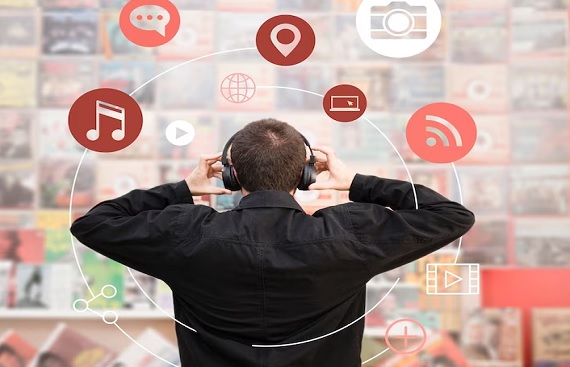
Making a lasting impression on customers has become a complex art in the ever-changing marketing world. Marketers constantly look for novel approaches to engage deeply with their consumers. Using sound to generate ideas in marketing is one strategy that must be more frequently noticed. Considering its unique capacity to evoke emotions, trigger memories, and establish a distinctive brand identity, sound is a priceless tool in today's competitive market. Computers can predict the most pertinent patterns to input via generative AI, allowing them to create corresponding content. The generative AI models may conclude and identify features in the training data because they only provide a small set of parameters during training. Human input is still necessary to maximize the benefits of generative AI, both at the beginning and end of movement.
The Psychology of Sound in Marketing: Sound is more than just auditory stimulation; it's a potent psychological trigger. It has the uncanny ability to tap into our emotions, bypassing rational thought and striking a deep within our minds. The resonance of a well-crafted jingle or the soothing ambiance of a spa's background music can instigate robust emotional responses in consumers. Understanding this psychology is critical to leveraging it effectively in marketing.
How Sound Influences Consumer Behavior: Sound isn't just a mood enhancer; it's a driver of consumer behaviour. Sound can nudge us towards making decisions, whether it's the familiar chime of a brand's notification or the revving of an engine in a car commercial. This section explores how sound affects purchasing choices, from creating urgency to building trust and loyalty.
The Power of Audio Branding
Audio branding is the strategic use of sound elements such as music, voice, and sound effects to create a distinctive brand identity and enhance the consumer experience. Here are some key ways in which sound can be leveraged for marketing purposes:
Emotional Resonance: Sound can evoke powerful emotions and create a deep connection with consumers. Think about the familiar jingles or tunes associated with brands like Intel, McDonald's, or Intel. These auditory cues trigger positive emotions and instant brand recognition.
Memorability: Sound is more memorable than text or visuals alone. Studies have shown that people can remember melodies and sounds more effectively than words or images. By incorporating unique audio elements into their marketing campaigns, brands can ensure that their message lingers in the minds of consumers.
Storytelling: Sound can tell a story in a way that visuals cannot. By crafting soundscapes that align with a brand's narrative, marketers can create immersive experiences that engage and captivate their audience.
Cultural Relevance: Different cultures have unique musical and sonic associations. By tapping into these cultural references, brands can establish a more substantial presence in specific markets and connect with consumers on a deeper level.
Examples of Auditory Branding: Let's take a closer look at a few brands that have harnessed the generative capacity of sound effectively-
Intel: The Intel jingle, composed of just five notes, is one of the most recognizable audio logos in the world. It conveys innovation, reliability, and trust, reinforcing Intel's position as a leader in technology.
McDonald's: The simple "I'm Lovin' It" jingle has become synonymous with McDonald's, generating a positive emotional response and making the fast-food giant instantly recognizable.
Apple: The soothing and distinctive sounds associated with Apple products, from the startup chime to the iconic click of the iPhone's camera shutter, create a sense of familiarity and premium quality.
Audi: The four rings of the Audi logo are accompanied by a distinctive startup sound that conveys precision engineering and sets the stage for the driving experience.
Final Note: The potency of sound to generate ideas in marketing has changed how companies interact with their target markets. Sound has a remarkable potential to generate emotions, spark memories, and create long-lasting brand impressions. However, its influence is sometimes underrated. Brands can give customers distinctive and memorable experiences by utilizing the power of sound. It offers a unique and eye-catching channel via which brands can communicate their values and messages in an age of information overload and visual noise. With technological improvements, the use of sound in marketing is becoming more and more prevalent. Immersive audio experiences, virtual and augmented reality, and other emerging forms of storytelling provide fresh opportunities for engagement and audience connection for companies.


