

FM Sitharaman: India to Tackle Global Trade Challenges with Flexible Policies and Strategic Investments
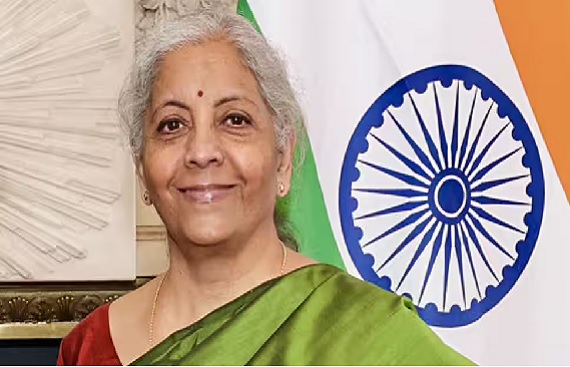
Finance Minister Nirmala Sitharaman was confident on Thursday that India will be able to tackle the challenges brought about by the global trade war through a combination of flexible policymaking and long-term investments geared towards strengthening the domestic economy. Addressing the 150th anniversary function of the Bombay Stock Exchange (BSE), she pointed out, "The rise in tariff wars and protectionist policies can upset cross-border supply chains, increase cost of production, and introduce uncertainty in cross-border investment decisions."
In spite of the prevailing volatile, uncertain, complex, and ambiguous world situation, she stressed the resilience of India's economic fundamentals and macroeconomic stability. "We offer investors a combination of policy stability, growth, governance, and innovation," she said.
Sitharaman pointed out that India's financial markets have shown incredible resilience in the midst of recent global uncertainties, testifying to the faith that retail investors have in these markets. She asserted that the transition of domestic institutional investors from a supporting to a leading role in Indian markets marks the increasing maturity and depth of India's capital market. Indian markets have also proved more resilient than many others in the aftermath of global turmoil following tariff hikes announced by the US.
Indian stock markets have settled after a 90-day hiatus in tariff increases announced by US President Donald Trump in the course of bilateral trade talks between India and the US. Both countries are moving towards completing the first phase of a Bilateral Trade Agreement (BTA) for lowering tariffs before the deadline agreed to in autumn 2025, with the terms of reference for the agreement already set.
"India has embarked on a path of trade liberalization with America," said Commerce Secretary Sunil Barthwal, briefing journalists this week. He further stated that both nations will be better off if the trade agreement is achieved prior to the fall of 2025. "When we mention we plan to finish the first tranche of the BTA with the US by fall, it does not imply we cannot do it earlier. If we conclude the BTA prior to fall, it will be beneficial for India and the US as well," he emphasized. A tariff reduction agreement would result in more trade between the two countries.
On Prime Minister Narendra Modi's visit to Washington, he and US President Trump also made a lofty target of achieving $500 billion in bilateral trade by 2030.


