

Exploring the Wonders of Bioluminescence: The Mystery of Light in the Depths of Ocean
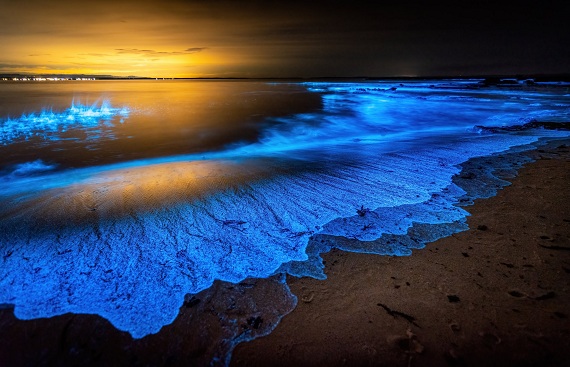
The mysterious and vast depths of the ocean have always captivated humanity's imagination. Hidden beneath the surface lies a world of mesmerizing beauty and bizarre creatures, many of which can illuminate their surroundings with stunning light displays. This natural phenomenon, known as bioluminescence, remains one of the most captivating mysteries of marine biology. In this article, we will delve into the enchanting world of bioluminescence and explore how various organisms produce light in the darkest corners of the ocean. This ability of organisms to create their own light has fascinated scientists and explorers alike for centuries. As we dive into this captivating world of glowing wonders, prepare to be enchanted by the surreal beauty and ingenuity of the creatures that call the deep ocean their home.
The Magic of Bioluminescence: The Science Behind it

Let's explore the science underlying this mystical talent of emitting light by living things in the dark depths of the ocean, known as bioluminescence. This interesting phenomenon is present in various animals, from small planktonic critters to giant deep-sea residents. These creatures can emit light that is varied in color and can be used for different important things. The two essential substances involved in this chemical interaction, Luciferin, and luciferase, are at the heart of bioluminescence. In the cells of bioluminescent creatures, luciferin is a light-emitting molecule, and luciferase, an enzyme, promotes the chemical reaction that results in light. The luciferase enzyme catalyzes the reaction between luciferin and oxygen when they come into contact. Then luciferin is oxidized by the luciferase enzyme, which releases energy in the form of light. One of the most energy-efficient, converting almost 100% of the energy into light.
Adaptations and Functions of Bioluminescence
1. Camouflage and Counterillumination:
Some marine organisms, such as certain fish species and cephalopods, use bioluminescence to blend in with their surroundings. This strategy, known as counterillumination, allows them to match the light filtering from above, rendering them invisible to predators looking upwards.
2. Attracting Prey and Mates:
Bioluminescence is a powerful tool for attracting both prey and potential mates. Deep-sea anglerfish, for example, have a bioluminescent lure that dangles in front of their mouths, enticing unsuspecting prey to come closer before becoming a meal. Similarly, many species of plankton release bursts of light to attract mates during their mating season.
3. Scaring Off Predators:
While some organisms use bioluminescence to attract prey, others employ it to deter predators. When threatened, certain species of squid and shrimp can expel bioluminescent fluids, creating a dazzling distraction that confuses and repels attackers.
4. Communication:
Bioluminescence also plays a vital role in communication among organisms. Fireflies, for instance, use rhythmic flashes to attract potential mates, and in some deep-sea environments, organisms synchronize their light emissions to coordinate group behavior.
Bioluminescent Waves Blooms and Shimmering Creatures
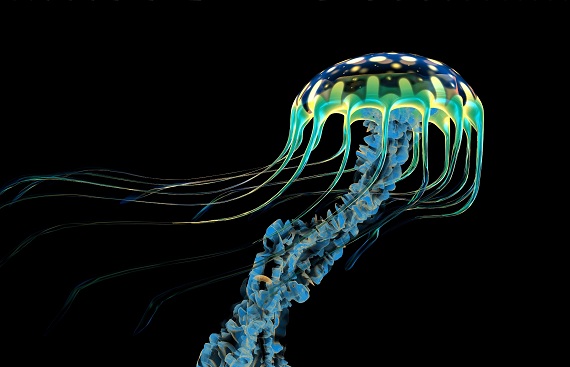
Oceanic displays can be magnificent when a lot of bioluminescent organisms are present. For instance, bioluminescent waves happen when waves breaking against the shore or a boat disrupt bioluminescent plankton (dinoflagellates), causing them to release light and produce a captivating glow. Bioluminescent blooms occur when a sizable number of bioluminescent creatures congregate in one location. These organisms release light simultaneously when they are disturbed by a passing boat, producing a stunning light display on the water's surface. Along with other yet-to-be-discovered species, the ocean is home to bioluminescent marine life, such as lanternfish, deep-sea anglerfish, comb jellyfish, vampire squid, deep-sea shrimp, glowing coral, and more.
Bioluminescence in the Depths: The Deep-Sea Connection
Bioluminescence creates a fascinating show in the darkest parts of the ocean, where sunlight is hardly a glimmer. The deep sea, where an astounding variety of species have evolved to produce their bright glow, is the main attraction of this mesmerizing natural light display. Bioluminescence, which is much more than just fleeting displays of beauty, is essential for navigating, communicating, and surviving in this hostile environment. The deep water is still completely unexplored, but with each new technological development, researchers are learning more about the mysteries of bioluminescence, revealing its hidden wonders, and understanding its importance in preserving the delicate balance of marine ecosystems. We become more aware of the interconnectivity of all life forms as we continue to learn about the deep sea's mysteries.
A Call to Preserve
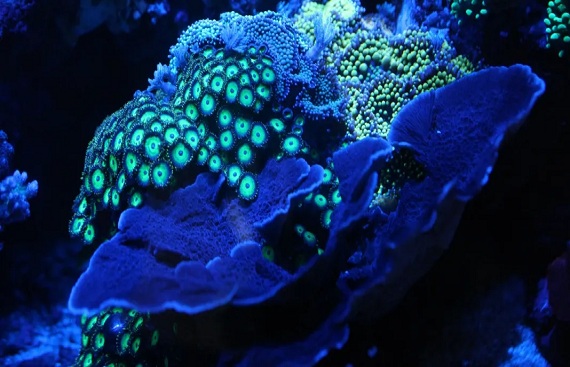
Despite its allure as a magical phenomenon, bioluminescence has problems in contemporary society. Ocean pollution and climate change can damage the delicate ecosystems supporting these amazing creatures. The natural signaling and communication systems of bioluminescent animals can be disrupted by human activities resulting in light pollution, impacting their survival and behavior. We learn more about the complex network of life in the remotest regions of our world by studying and comprehending the marvels of bioluminescence. This understanding may motivate us to take more active measures to protect these distinctive ecosystems and the fascinating organisms that live there.
A Final Note, A breathtaking reminder of our planet's incredible beauty is provided by bioluminescence. Let's keep in mind the delicate balance of life that supports these beautiful animals as we explore the ocean's depths and try to understand the mysteries of this fascinating occurrence. By cherishing and conserving our seas, We can ensure that future generations will be amazed by the beauty of bioluminescence, a permanent beacon of nature's brightness in the deepest recesses of the deep blue sea.


