

ECoR Embraces Advanced Ballastless Track Technology in Tunnel Construction
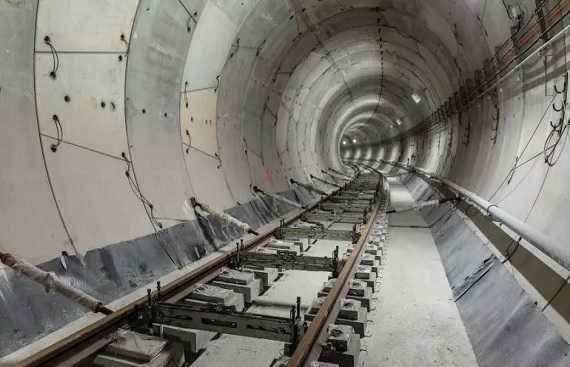
The East Coast Railway (ECoR) has pioneered the adoption of advanced ballastless track technology in its new railway tunnel projects, a move aimed at enhancing the safety, efficiency, and sustainability of rail transport. According to ECoR sources, this cutting-edge technology is being implemented as part of ongoing efforts to modernize infrastructure within the region.
ECoR has initiated the use of the Rheda 2000 Block System, a prominent ballastless track technology, in the 600-meter Tunnel No.1 between Baiguda and Kakirigumma stations. This forms part of the Koraput-Singapur Road Doubling Project under ECoR’s jurisdiction. The adoption of this system marks a significant milestone in Indian railway construction, promising multiple long-term benefits.
The advanced ballastless track system will also be applied to all under-construction tunnels across various ongoing projects. ECoR plans to gradually replace existing tracks in tunnels with this new technology in a phased manner. Tunnel construction is currently underway in key projects like the Kottavalasa-Kirandul and Koraput-Rayagada Doubling Projects, as well as new line projects such as Khurda Road-Balangir and Talcher-Bimalagarh Rail Line.
The introduction of ballastless tracks in tunnel environments offers numerous advantages. Notably, this technology enhances the durability and longevity of tracks, increases stability, and significantly reduces maintenance costs. The absence of ballast, typically made of gravel or stones, eliminates issues like ballast degradation and shifting, which can lead to track misalignment. The use of robust materials like concrete and steel ensures a longer service life, making it a more sustainable option for tunnels.
In addition to improving track durability, the ballastless system provides a smoother ride for passengers by reducing vibrations and noise. This is particularly important in tunnels where noise levels can be amplified. The incorporation of noise-damping materials further mitigates noise pollution, enhancing the travel experience for passengers and creating a better working environment for tunnel maintenance crews.
Environmental benefits also feature prominently in ECoR’s adoption of this technology. The reduced need for maintenance, coupled with the elimination of ballast quarrying, contributes to environmental conservation efforts. Moreover, the rigid structure of ballastless tracks ensures consistent alignment, reducing derailment risks a critical consideration in the confined spaces of tunnels.
ECoR sources highlighted the system's integrated drainage capabilities, which are essential for managing water accumulation in tunnels. This feature helps prevent water-related issues such as track deformation, corrosion, or flooding, thereby boosting the overall safety and longevity of the infrastructure.


