

Double-Engine Model Steers 2030 Vision in Modi 3.0
- Government prioritizes long-term, sustainable development with Rs 11.11 lakh crore capital spending, targeting infrastructure, manufacturing, and digitalization.
- Focus on farmers, women, youth, and the middle class through tax reliefs, internships, and income support to drive domestic demand and inclusive growth.
- Strategic trade pacts (UAE, UK, EFTA) and tech reforms (AI, space, tourism) aim to position India as a global economic and value chain leader by 2030.
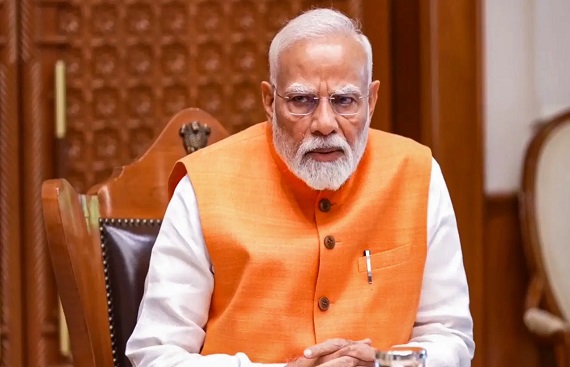
While Prime Minister Narendra Modi begins his third term, the government has embraced a more pointed emphasis on long term goals, especially the year 2030, to maintain its 'double engine' model that combines central and state initiatives. The recent budget and institutional reforms demonstrate a deliberate shift towards sustainable results in growth, welfare, infrastructure, trade, defense, and digitalisation.
Economic expansion remains a cornerstone, India ended FY 2024-25 with a strong 6.5 percent GDP growth, the highest among large economies. Three engine sectors manufacturing, services, and farming drove this growth and transformed India into the fastest-growing major economy for a fifth year in a row. To ensure the momentum continues until 2030, the government is sustaining high capital spending, with Rs 11.11 lakh crore allotted in the recent budget, indicating a consistent increase in public spending.
Welfare programs continue to be central, focusing on four major groups of farmers, women, the young, and the middle class. The fiscal stimulus measures, including increasing the tax exemption limit to Rs 12.75 lakh, will help boost the middle class and drive domestic demand. Other programs for encouraging internships, farmers' incomes, and digital literacy are also in line with the government's vision of inclusive, pan-demographic growth.
Infrastructure is being reimagined as a strategic facilitator. Huge investments such as a Rs 76,000 crore deep-water port, wide national highway corridors, metro line extensions, and high-speed rail projects demonstrate a 2030 horizon vision for logistics, connectivity, and urban modernisation.
On the international front, India is deepening its trade stance through a string of free trade agreements. Agreements with the UAE and Australia now extend to the European Free Trade Association and an impending deal with the UK, looking to move trade volumes above $120 billion by the end of the decade. A bilateral deal with the US is also under negotiation, marking a strategic realignment that positions India as a trusted alternate in global value chains.
This long horizon strategy extends to tech-driven sectors like space, AI, tourism, and agriculture, with ambitious reforms being rolled out across these domains to support India’s rise as the world’s third-largest economy by 2030.
Together, these efforts encapsulate Modi’s vision for a data driven, fiscally disciplined, globally integrated, and socially inclusive India by 2030 one where centre state synergy, accelerated investment, and high impact diplomacy converge to propel the nation’s next growth phase.


