

Diabetes Complications You Must Know About (Get This Test Done to Detect Them)
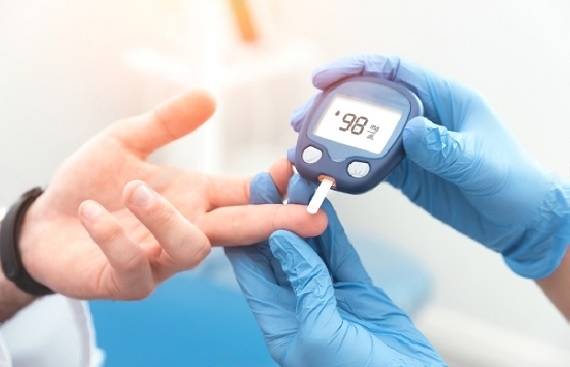
Diabetes can wreak havoc on your body, leading to a range of debilitating complications. Read on to learn how a simple test can enable you to take control of your health and prevent these complications.
Approximately 422 million people around the globe suffer from the chronic disease of diabetes. It occurs if your body cannot adequately make or absorb the hormone insulin, which controls your sugar levels in the blood. Your general health and lifestyle may indeed be impacted by several problems that come along with uncontrolled diabetes. However, despite its prevalence and potential impact on health, many people still don't fully understand how they can manage it. So, here’s a guide to give you a detailed view of diabetes, its complications and prevention tips to help you lead a healthier life.
Some Common Diabetic Complications
Following are some of the common complications that arise due to diabetes:
- Cardiovascular diseases: People who have diabetes are more likely to suffer from cardiovascular diseases, especially in older age. Cardiovascular disease is not just a stroke, it also includes high blood pressure, blood clots in arteries, cholesterol or any damage related to blood vessels. These are fatal diseases and can cause a lot of pain. However, making changes in your lifestyle, such as controlling the consumption of alcohol and tobacco, regularly exercising and following a healthy diet, can minimize the overall impact of it. You should also consult your doctor for medication and other lifestyle-related changes.
- Nerve pain: The onset of neuropathy can be gradual if your nerves are damaged. Your hands and feet may begin to itch, become numb or experience discomfort. Nevertheless, due to high blood sugar levels, people with diabetes can be far more susceptible to the severity of nerve pain. In such cases, consult a doctor and take prescribed medications alongside following a regular blood sugar monitoring regimen.
- Kidney intricacies: Kidneys, one of the fundamental organs in the body, aid in the removal of waste and excess liquid from the blood as well as help control blood pressure. Unfortunately, people with diabetes may face renal disorder since their kidneys start to malfunction. Extremely high blood sugar levels can affect the arteries present in the kidney. And, severe renal issues may develop due to this damage over time. Hence, if you have diabetes, then be mindful of discussing your renal function analysis with your doctor.
- Eye complications: Having diabetes increases your risk of eye injury. When your glucose levels are excessively high, it can impair the blood vessels in your eyes. With physicians' prescribed medications and routine comprehensive eye exams, retinopathy can be diagnosed and treated. By monitoring your eye health, your doctor can identify any possible problems promptly and suggest measures to safeguard your vision.
- Infections and foot problems: People who have diabetes are more susceptible to infections and sores on their feet. Arteries and nerves in your foot get affected by elevated glucose levels, which makes it harder for any diabetic patient to recover from injuries. Foot problems can be prevented with regular foot checkups and adequate foot care.
Get Yourself Tested
Complications related to diabetes should never be avoided. Effective blood sugar, blood pressure and fat control can significantly lower the risk of developing such complications. It's crucial to attend your diabetes health checkups and learn from your healthcare team how to take care of yourself. By taking action and managing your diabetes properly, you can prevent the onset of diabetes-related complications.
Apollo 24|7 provides a comprehensive sugar level assessment that consists of a fasting sugar test, random blood sugar test, postprandial blood sugar test, oral glucose tolerance test and A1C test to help you assess your diabetes profile. So, get a blood sugar test done at the earliest if you are suffering from diabetes or if your doctor recommends it.


