

Centre Accelerates PM E-Drive Scheme with More EV Charging Stations
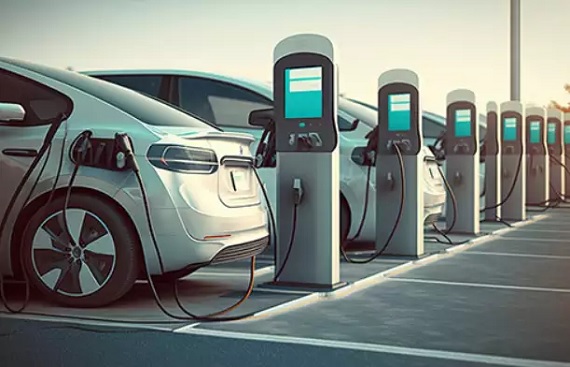
The government of India is stepping up its initiatives to push electric vehicles (EVs) under the PM E-Drive scheme with a plan to extend the EV charging infrastructure in the country dramatically. 14 states have submitted inputs for the program, which seeks to double public EV charging points to 72,300. These charging points will be placed strategically across high-traffic corridors and main urban locations to get more people to switch to environmentally friendly vehicles.
Introduced by the Ministry of Heavy Industries, the scheme has a lofty allocation of Rs 10,900 crore, with Rs 2,000 crore reserved exclusively for setting up charging stations. The focus is essentially on enabling more than 28.8 lakh electric vehicles by the end of the financial year 2025-2026. The government is, according to senior officials, also emphasizing locations with high traffic density, such as ports and airports, to improve access to charging stations.
Negotiations are also taking place to decide on the best sites to establish highway stations for charging along highways, specifically for electric buses, with a plan to deploy more than 14,000 e-buses by 2026. The initiative involves grants for the purchase of electric buses, developing an integrated charging infrastructure, and enhancing testing facilities under the Ministry of Heavy Industries.
In cities, the plan is giving priority to commercial vehicles such as electric three-wheelers, and by 2026, the target is for 2.05 lakh of these vehicles on the road. The government's overall target is to have EVs account for 30% of new private vehicle registrations by 2030, a transition that will demand a huge rollout of charging infrastructure.
To mitigate 'range anxiety' for prospective buyers of EVs, the initiative aims to build a strong grid of charging facilities. Major highways like the Delhi-Agra, Delhi-Jaipur, and Chennai-Trichy corridors already have charging points installed, and the National Highways for Electric Vehicles (NHEV) pilot project has been instrumental in enhancing these highways. The Ministry of Power also laid out 12 National Corridors to be electrified, further reinforcing EV infrastructure on the national map.


