

BharatPe CEO Rejects 90-Hour Work Week
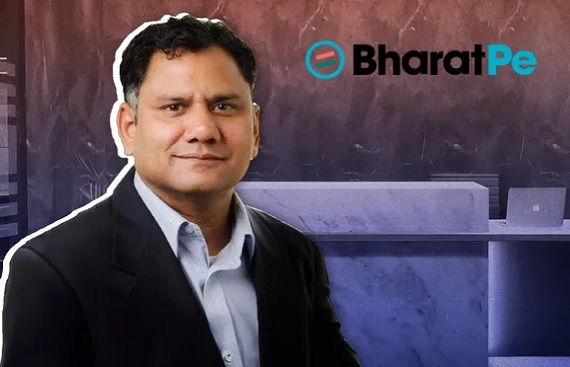
In the middle of an ongoing debate on whether a 90-hour work week is feasible and ethical in corporate India, BharatPe CEO Nalin Negi has jumped into the fray with a position that stresses work quality over just the sheer number of hours put in. The fintech leader said that though productivity is the biggest focus, quality of work supersedes hours spent at a desk.
At a time when the corporate sector in India is in the firing line following statements by L&T Chairman SN Subrahmanyan, Negi made the observations. Subrahmanyan's regret for not being able to force employees to work on Sundays set off a firestorm of discussion on whether corporations were ruining work culture.
In an exclusive interview with PTI, Mr. Negi said that a 90-hour work week is an unsustainable expectation. He said, "Ninety hours is quite a number of hours to put in, and becomes very difficult. So I would say (it is about) quality. quality matters". For him, a productive and engaged workforce should not be judged solely by the number of hours spent working.
As a relatively young company, BharatPe, founded six years ago, is keen on building a workplace culture that fosters employee engagement and work-life balance. "The debate around work-life balance has always been there", Mr. Negi commented. As a young organization, BharatPe looks to offer a comfortable and enabling environment wherein employees can deliver their best", he said, further underlining the specific benefit that young firms like BharatPe have: creating a work culture that is flexible and centered on the employee. In contrast, large corporations have a rigidness due to long-established frameworks and are less flexible in terms of culture. BharatPe looks at building a dynamic culture that's open to the needs of its workforce.
Mr. Negi further elaborated on how a flexible and empowering environment can enable career growth, rather than just offering employees jobs. "Young organisations can foster career trajectory in a very, very different way, because you have different people. Larger companies have built this over a period of time, they have people and attract talent of a similar nature, (in a) cookie-cutter approach", he explained. BharatPe, he said, is committed to creating a workplace where employees can grow and build careers, not just jobs.
Reiterating his company's position on work hours, Mr. Negi outrightly dismissed the notion of a 90-hour work week. "I don't think. 90 hours is possible", he said, adding that a happy and engaged employee is likely to contribute more effectively without the pressure of excessive work hours. In return, "he who is valuable to you would be more ready to go extra miles when you need him and wouldn't look for constant supervisions or enforce long hours to him". As Mr. Negi said: "A happy employee will give you a lot. someone who is involved and enjoying his or her job, if they have something (urgent), they will do it. You don't even have to follow it up".
The long-standing debate over long working hours took a dramatic turn earlier this month after Larsen & Toubro's (L&T) Chairman SN Subrahmanyan caused a storm when he said employees should work a 90-hour week, including Sundays, to increase productivity. The controversial remarks triggered widespread outrage on social media as people questioned whether such a model of work is sustainable and fair. Many from all walks of public life have started joining the fray, with a few sounding alarmed at the cost to one's body and psyche, while a few others rushed to defend so-called hustle culture.
For example, RPG Enterprises Chairman Harsh Goenka did express his anguish over the proposals for extreme hours on X, formerly Twitter. He wrote, "Working hard and smart is what I believe in, but turning life into a perpetual office shift? That's a recipe for burnout, not success. Work-life balance isn't optional, it's essential". Marico Ltd Chairman Harsh Mariwala echoed similar sentiments, saying that while hard work is essential for success, it is the quality and passion brought to those working hours that truly matter. "Without doubt, hard work is the bedrock of success, but it's never about time clocked in. It's about the quality and passion one brings to that hour", Mariwala posted.
ITC Ltd Chairman Sanjiv Puri, too, felt the need to add his views, stating that enabling employees to reach their complete potential and to do their work effectively should supersede the work hours. Voices in the debate indicate that although long work hours sometimes are associated with hard work and dedication, in the long term, they prove to be detrimental to both individuals and organizations.
The debate on work hours and work-life balance has been an all-time favorite, resurrected year after year in various forums and discussions in India. Even the stalwarts of Indian businessdom, such as Co-founder NR Narayana Murthy of Infosys, have commented on this, with Murthy himself proposing that youngsters be willing to work up to 70 hours a week for increased productivity. These high-profile international business leaders who have long advocated for the hustle culture include Tesla CEO Elon Musk. His infamous comment, "There are way easier places to work, but nobody ever changed the world on 40 hours a week", has been in headlines and quoted by so many proponents of the grind mentality.
However, with growing recognition of the mental and physical cost of extreme work hours, the conversation has gradually shifted to focusing on employee well-being. Among the corporate voices is BharatPe's CEO, Nalin Negi, who stands out as one who advocates for a more balanced approach: one that promotes work quality, employee engagement, and long-term career development rather than brute force in the form of extremely long working hours. With such issues still affecting corporate India, companies like BharatPe are at the forefront of redefining the future of work in India's dynamic business landscape.


