

Beyond Aesthetics: How Sustainable Furniture Is Shaping the Future of Interior Design
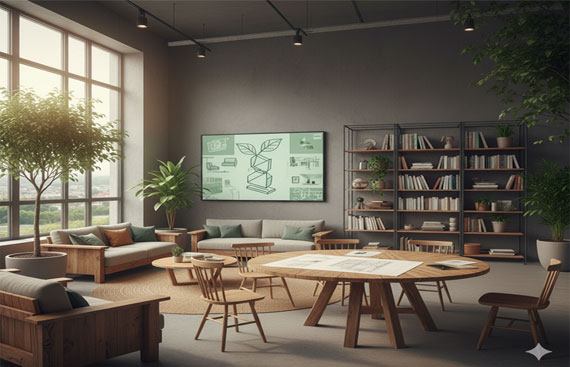
You know these days when we walk into someone’s home, we don’t just say “nice sofa” or “nice centre table”, we immediately ask, “Where is this from, what wood is this, is it solid wood, is it something reusable?” Our conversations have shifted without us even realizing it. It is not just about how things look, it is also about how things are made and how long they will last. Earlier we were only chasing trends. Glossy furniture, shiny legs on chairs, and that perfect showroom setup that looks nice in photos but does not feel like home. But slowly, without making any big announcement, we have started caring about the story behind the furniture we bring into our home. And that is where sustainable furniture starts making sense.
You know what, sustainable living sounds like a big fancy idea that is only for people living in villas with indoor plants from Pinterest, but honestly it starts with the simplest decision. It starts when you think twice before buying something cheap that will break in two years. It starts when you choose fewer things but better things. It starts when you pick a dining table made from reclaimed wood instead of something that looks nice only for a few months and then starts chipping. Sustainable furniture is not a trend. It is a mindset.
So What Exactly Is Sustainable Furniture?
Sustainable furniture basically means pieces made from materials and processes that are kinder to the environment. Instead of cutting new trees, sustainable furniture uses reclaimed wood, recycled metals, bamboo, rattan materials that are natural and renewable. Even a wardrobe for clothes crafted from reclaimed wood or eco-friendly materials carries a story within it. The wood has seen life before becoming that beautiful storage piece, the metal has been melted and reborn instead of lying wasted in a landfill. This isn’t just about buying furniture, it's about bringing history, character, and a story into your home.
Conventional furniture is usually made fast, with materials that are easy to manufacture but not good for the environment. You might buy it thinking you saved money, but when it breaks in two years and you have to replace it, you realize it was not saving at all. Sustainable furniture is made to last. It is made with care, with craftsmanship, with intention. It gives that slow satisfaction. You look at it and you feel at peace knowing that this thing will be with you for years.
Sustainable Design Helps More Than Just the Environment
We always hear things like reduce waste or reduce carbon footprint and sometimes it feels too big, like something only governments or large companies can do. But honestly, every time you choose furniture that lasts longer, you are reducing waste. Every time you pick non-toxic finishes or natural materials, you are improving air quality inside your own house. We never think about how furniture fumes affect us. You know how your eyes sometimes burn when a new furniture piece arrives because of the polish or heavy chemical smell. Sustainable furniture avoids that completely.
Sustainable furniture also supports ethical work. Instead of mass production, many sustainable brands rely on local artisans, craftsmen, people whose hands make the product. It is not rushed. It is thoughtful. Some brands, including Wooden Street, work directly with Indian craftsmen who put skill and care into every piece. When you buy something from such brands, you are not just buying furniture, you are supporting someone’s livelihood. You are investing in craftsmanship that deserves recognition.
Design Trends That Are Moving Towards Sustainable Interiors
Minimalism has become the biggest trend. Not that overly empty cold minimalism, but the practical kind where we stop filling our homes just for the sake of filling. Instead of buying ten unnecessary decor items, we place one strong piece that stands tall without needing company.
Natural finishes are becoming the heart of interiors. Real wood grains, earthy tones, simple textures, these things bring a kind of warmth nothing artificial can match.
Modular and functional furniture is also becoming common. People want pieces that adapt and change with their lifestyle, not force them to buy new things constantly.
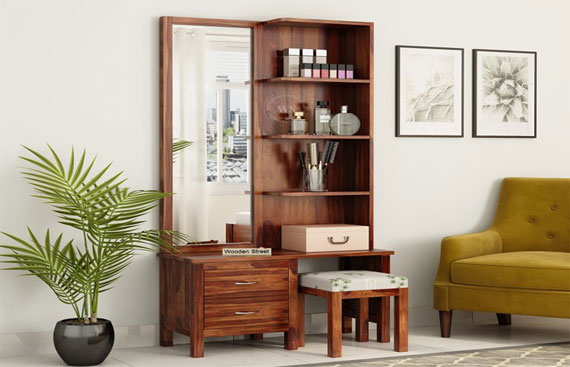
And then there is the shift to local sourcing. We are slowly realizing that we don’t need imported products to make our homes stylish. Sometimes, the perfect piece whether it’s a handcrafted sofa or a dressing table with storage is made right here in India. Brands like Wooden Street are reminding us that Indian craftsmanship is not just enough, but exceptional, blending functionality with timeless design.
Why Choosing Sustainable Furniture is Worth It?
First, your home becomes healthier. No chemical fumes, no weird polish smell. Second, the furniture lasts longer, which means you save money long term. Third, sustainable furniture looks honest. Nothing flashy, nothing trying too hard. It feels grounded. It feels like home.
Also, every sustainable piece has personality. When someone asks, “Where did you get this from”, you do not just say the name of the store. You tell the story.
“This is reclaimed wood.”
“This piece has been reused.”
“This is handcrafted by local artisans.”
And suddenly that corner of your house becomes special.
Honestly, sustainable furniture becomes part of your life. You polish it, you care for it, and you move it with you when you shift homes. It grows with you. It becomes a memory.
Conclusion: In the End, The Future Of Interior Design is Green and Responsible
Homes should feel real. Homes should feel like stories, not like catalogs. When we choose sustainable furniture, we are not sacrificing style. We are choosing meaning. We are choosing comfort. We are choosing something that lasts. So next time you are about to buy furniture, just pause and ask yourself three questions: Where did it come from, how long will it last, will I still love it after five years? Because homes that feel right are not built in one shopping trip. They are built slowly, with intention, with care, one thoughtful piece at a time.


