

AILA Urges Biden Administration for Comprehensive Immigration Reform
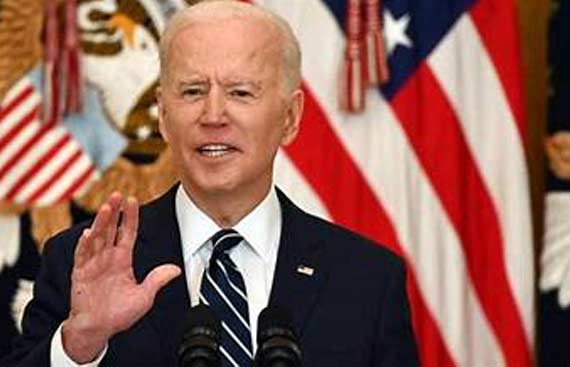
AILA stresses fair immigration reform, focusing on efficiency, pathways to legal status, and humanitarian values. Ongoing efforts aim for comprehensive changes reflecting justice and inclusivity.
The American Immigration Lawyers Association (AILA), comprised of over 16,000 professionals, has penned a letter to President Joe Biden, urging the continuation of immigration reform efforts. Acknowledging current progress, AILA, represented by Executive Director Benjamin Johnson and President Farshad Owji, highlighted the persistent need for further action.
Their recommendations center around protecting the social and economic well-being of the United States, particularly the challenges American employers face in hiring foreign workers. They emphasize the need for legal pathways and solutions to address family separation and the instability caused by bureaucratic delays. They also called for the reversal of policies from previous administrations that adversely impacted the Indian diaspora in the US and those aspiring to study, work, or do business in the country.
Relief to Individuals in the Immigrant Visa Backlogs
Individuals from other countries caught in the backlog of immigrant visa applications and delays in processing often encounter difficulties when seeking permanent residency. These problems affect their financial stability, the unity of their families, and their ability to maintain legal status while they wait for their green cards.
The Department of Homeland Security (DHS) proposed regulation aims to address some of these challenges by enhancing the efficiency of visa processing and issuing green cards for eligible individuals. However, the ultimate resolution of the issue lies within congressional action.
The suggested regulation aims to decrease and simplify processing durations, enhance the accuracy of inventory information shared with collaborating agencies, diminish the likelihood of visa setbacks, and encourage the effective utilization of promptly accessible immigrant visas. The rule will benefit applicants in family-based, employment-based, and other relevant categories.
AILA endorses the regulation, citing its potential to offer substantial relief to individuals facing long backlogs and to ensure the eligibility of applicants' minor children. They urge immediate prioritization of the proposed rule for publication, suggesting it alleviates border pressure by aiding those navigating legal pathways.
Enhance and Permanentize In-Country Visa Renewal
The H-1B pilot program, which started in January and ran until April, initially targeted 20,000 participants, half of whom were from India. However, there's optimism within the Indian diaspora that the program will expand to include spouses and children of H-1B visa holders. AILA highlights the narrow scope of its current application, asserting that broadening and institutionalizing the program would notably alleviate consular processing delays, streamline procedures, and offer greater assurance for applicants.
The Department of State (DOS) is urged to extend and formalize the domestic visa renewal option across all nonimmigrant categories. A comprehensive stateside visa processing initiative would provide DOS with an effective resource management tool, enhance service quality, and offer a low-risk visa renewal avenue for eligible applicants, particularly in case of future administrative limitations on consular access.
Modernize H-1B Visa Program for High-Skill Workers
The H-1B visa program, established to facilitate the recruitment of temporary high-skilled foreign workers by American companies, has been crucial since its inception. Despite the United States welcoming over a million international college students annually, immigration regulations impose a limited quota of 85,000 H-1B visas yearly. This restriction is deemed inefficient and imprudent, as it results in retaining a fraction of these graduates while compelling the rest to seek opportunities abroad due to the absence of viable options for staying in the US.
AILA asserts the importance of maintaining access to skilled talent to compete effectively in the global economy. They advocate for the Administration to proceed with finalizing the H-1B modernization proposed rule (88 FR 72870) following the conclusion of the formal comment period on December 2023. This rule aims to update and enhance the H-1B system, facilitating businesses' ability to tap into talent pools essential for national interests.
The administration ought to respond to the concerns raised by commentators, particularly regarding the definition of specialty occupation, and complete the rule-making process within this year. This action is essential to establish stability in the program and to raise the bar for any future administration seeking to impose limitations on this vital pathway for talent acquisition.
Revisions to the List of Schedule A Shortage Occupations
The President's Executive Order on Artificial Intelligence mandated the Department of Labor (DOL) to issue a Request for Public Input (RFI) regarding the list of Schedule A occupations exempt from the labor certification process for permanent residency. The aim is to update the occupation determination process, mainly focusing on including more STEM fields and addressing shortages. This move aims to modernize the Schedule A occupations and methodology, leading to streamlined labor market testing and reduced processing delays at the DOL by concentrating adjudications on occupations where US workers are available. A coalition including AILA has advocated for this change, underscoring its significance. Given the timeline involved in developing and publishing a Notice of Proposed Rulemaking (NPRM) and final rule, prioritizing this rule is crucial for the administration.
Renew a Recently Expired Regulation to Ensure the Timely Renewal of Work Authorization
Many individuals risk losing their ability to work due to extended processing times by USCIS for reviewing employment authorization applications. Processing periods for those awaiting adjustment of status applications exceed nine months, while renewals for asylum applicants take over 16 months.
AILA is advocating for the Administration to reinstate the Temporary Final Rule (TFR), which granted an automatic work authorization renewal for 540 days and expired on October 2023. This renewal is crucial to prevent employment authorization gaps for previously authorized individuals. The rule is currently under final review at the Office of Information and Regulatory Affairs, and AILA urges the Administration to expedite its publication.
AILA's key recommendations for US immigration reform emphasize the importance of a fair and efficient system that addresses the needs of individuals living and contributing to the country without legal status. These recommendations aim to streamline processes, provide legal and permanent status pathways, and uphold humanitarian values. AILA underscores the significance of ongoing efforts to enact comprehensive reforms that align with justice, equity, and inclusivity principles.


