

A Step-by-Step Guide to Launching a B2B SaaS Startup
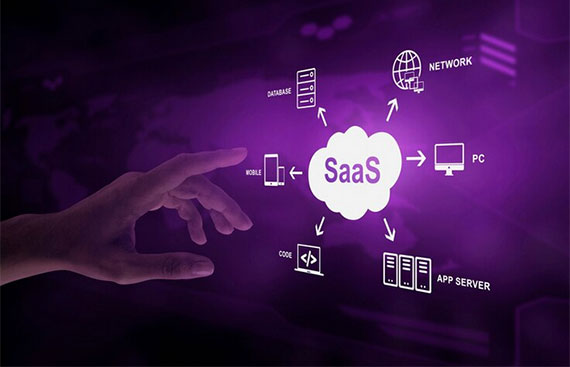
Launching a business-to-business (B2B) software-as-a-service (SaaS) startup is both exhilarating and daunting. In the rapidly evolving digital world, SaaS startups stand at the forefront of innovation, offering unique solutions to complex business problems.
However, turning a groundbreaking idea into a successful enterprise requires more than just technical expertise; it necessitates a well-thought-out strategy, precise planning, and a deep understanding of the business landscape. The following serves as a comprehensive roadmap to help aspiring entrepreneurs navigate the challenging yet rewarding path of launching a B2B SaaS startup.
Laying the Foundation: Business Planning
The first and most crucial step in launching a B2B SaaS startup is laying a solid foundation with a comprehensive business plan. This plan should encompass a clear definition of your product, the market needs it addresses, and your target customer base. It’s essential to conduct thorough market research to understand industry trends, potential competitors, and customer pain points your product aims to solve.
Additionally, your business plan should outline your business model, pricing strategy, and a detailed roadmap for product development. This early stage of planning sets the direction for your startup and is critical for future decision-making and strategy refinement.
Securing Startup Capital
Startup capital is the fuel that powers the initial stages of your SaaS venture. Securing this initial funding can come from various sources, including personal savings, loans from friends and family, or angel investors. It's important to evaluate how much capital you'll need to cover initial development costs, operational expenses, and marketing.
When seeking startup capital, be prepared with a solid pitch and a detailed business plan to convince potential investors of the viability and profitability of your idea. Remember, this early funding is not just about money; it's also about building relationships with investors who believe in your vision and can offer valuable guidance.
Developing Your Product
The development phase is where your SaaS solution comes to life. This stage involves designing, building, and testing your software. Focus on creating a Minimum Viable Product (MVP) – a version of your software with enough features to attract early adopters and validate your product in the market. An MVP allows you to gather user feedback and understand what works and what needs improvement without investing heavily in full-scale development.
Collaborate closely with your development team to ensure that the product aligns with your vision and customer needs. Prioritize user experience and interface design, as these are critical components that can make or break a software product. Regular testing and iterations based on user feedback are essential to refine your product and prepare it for a wider market release.
Assembling a Strong Team
The success of a B2B SaaS startup significantly depends on the strength of its team. Assemble a group of individuals who are not only skilled in their respective fields but also share your vision for the company. This includes software developers, marketing experts, sales professionals, and customer support staff.
Investing in your team's development and fostering a collaborative, innovative work culture can drive productivity and creativity, which are vital for the growth and sustainability of your startup.
Marketing and Customer Acquisition
Effective marketing strategies are crucial for attracting and retaining customers. Develop a comprehensive marketing plan that includes digital marketing, content creation, SEO, and participation in industry events. Your marketing efforts should focus on highlighting the unique value proposition of your SaaS product and demonstrating how it solves specific business problems.
Simultaneously, work on building robust sales strategies and customer relationship management practices. Acquiring and retaining customers in the competitive SaaS market requires a deep understanding of customer needs and consistent engagement.
Finalizing Your Launch
Preparing for the launch of your SaaS product involves finalizing development, testing rigorously, and planning a strategic rollout. This includes deciding on pricing models, setting up customer support systems, and ensuring that your infrastructure can handle increased traffic and usage.
A successful launch requires careful planning and coordination across all teams. Use this opportunity to create buzz around your product through marketing campaigns and media outreach.
Further Funding for Future Growth
Once your SaaS startup is established, securing additional funding to scale your business becomes essential. Unlike initial startup capital, funding at this stage often involves exploring options like venture capital, strategic partnerships, and financing. Each option comes with its own advantages. For example, non dilutive financing in India offers B2B SaaS entities an opportunity to raise capital without giving up equity.
This phase of funding should align with your growth strategy, whether it's expanding your product line, entering new markets, or scaling your sales and marketing efforts. Each funding option comes with its own set of implications and requirements, so it’s crucial to thoroughly understand these before making a decision.
Embarking on the SaaS Journey: Your Path to Success
In conclusion, launching a B2B SaaS startup is a multifaceted endeavor that requires careful planning, strategic funding, team building, and effective marketing. Each step of this journey, from conceptualizing your idea to launching your product, contributes to the foundation of a successful enterprise. By understanding the nuances of each phase and adapting to the ever-changing business landscape, you can navigate the complexities of the SaaS world and carve out a successful path for your startup. Embrace the journey with resilience, innovation, and a clear vision, and watch as your SaaS startup transforms into a thriving business.


