

A New Era of Protection and the Future of Identity Verification
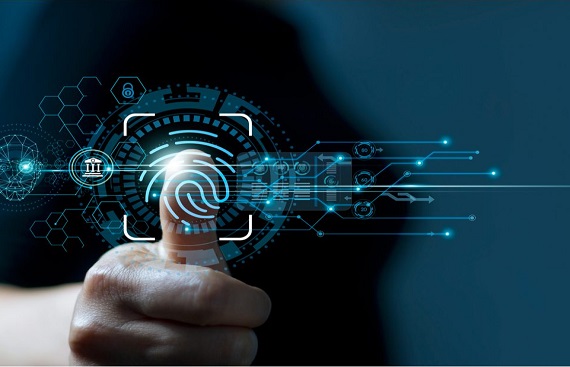
In today's digital world, where our personal information is vulnerable to cyber threats, the need for robust security measures has never been more pressing. Traditional methods of identity verification, such as passwords and PINs, are no longer sufficient to protect our sensitive data. However, a new era of protection is dawning, driven by the advancements in biometric authentication. Biometrics, the unique physical and behavioural traits that define us, are paving the way for a future where identity verification is more secure and seamless than ever before. This article delves into the exciting advancements in biometric technology and explores its profound impact on security and identity verification.
The Rise of Biometric Authentication
Biometric authentication is rapidly gaining traction as a revolutionary approach to verifying one's identity. Unlike traditional methods, which rely on something a person knows (like a password), biometrics utilize something a person is, encompassing a range of unique traits, such as fingerprints, facial features, voice patterns, iris scans, and even behavioural characteristics like typing rhythm or gait. This shift towards biometrics heralds a new era of protection, providing a higher level of security while simplifying the authentication process.
The integration of biometric authentication offers a multitude of security benefits. Firstly, biometric traits are incredibly difficult to forge or replicate, making them highly resistant to fraud or identity theft. Unlike passwords that can be forgotten, stolen, or easily guessed, biometrics are inherently linked to an individual and cannot be easily manipulated. This significantly reduces the risks associated with unauthorized access to personal accounts, sensitive data, or critical systems.
Seamless User Experience
In addition to bolstering security, biometric authentication also improves the user experience by streamlining identity verification processes. Biometric traits are unique to each individual and readily available, eliminating the need for users to remember complex passwords or carry multiple authentication tokens. With biometrics, the authentication process becomes frictionless, enhancing convenience and usability across various applications, from mobile devices to financial transactions and access control systems.
The future of identity verification lies in the widespread adoption of biometric authentication. As technology continues to advance, we can anticipate further refinements and innovations in this field. For instance, advancements in artificial intelligence and machine learning are enabling biometric systems to become more accurate, adaptable, and secure. Moreover, emerging technologies like vein patterns, heart rate variability, and brainwave patterns hold the potential to provide even more precise and robust biometric authentication methods.
Challenges and Considerations
While the potential benefits of biometric authentication are vast, there are challenges that need to be addressed. Privacy concerns regarding the collection, storage, and usage of biometric data must be carefully managed. Organizations and regulatory bodies must establish robust frameworks to ensure that individuals' biometric information is protected, encrypted, and used responsibly. Additionally, system vulnerabilities and potential hacking attempts need to be continually monitored and addressed to maintain the integrity of biometric authentication systems.
The Limitations of Traditional Security Measures Passwords, PINs, and knowledge-based security questions have long been the go-to methods for identity verification. However, they are prone to vulnerabilities such as weak passwords, password reuse, and phishing attacks. The need for a more secure and user-friendly solution has become apparent.
Overcoming Challenges and Ensuring Privacy while biometric authentication offers numerous benefits, there are legitimate concerns regarding privacy and data protection. It is essential for organizations and technology providers to adopt stringent security measures and comply with privacy regulations. Transparent data practices, secure storage of biometric templates, and informed user consent are crucial elements in addressing these concerns.
Finally, we can conclude that the dawn of biometric authentication marks a new era of protection and the future of identity verification. As our digital lives become increasingly intertwined, the need for robust security measures has never been more crucial. Biometrics offers a unique and powerful solution, leveraging our individual traits to provide secure and seamless authentication. With biometric technologies gaining momentum and advancements on the horizon, the possibilities are endless. From fingerprint recognition to facial scans, voiceprints to behavioural biometrics, the future holds even more innovative methods of identity verification. However, as we embrace the potential of biometrics, it is vital to address challenges such as privacy concerns and system vulnerabilities. By striking a balance between security and privacy, we can unlock the full potential of biometric authentication and build a safer, more trustworthy digital landscape. The future is bright, with biometrics leading the way towards a more secure and convenient world. Let us embrace this new era of protection and shape the future of identity verification together.


