

7 Tips for Buying CBD Products
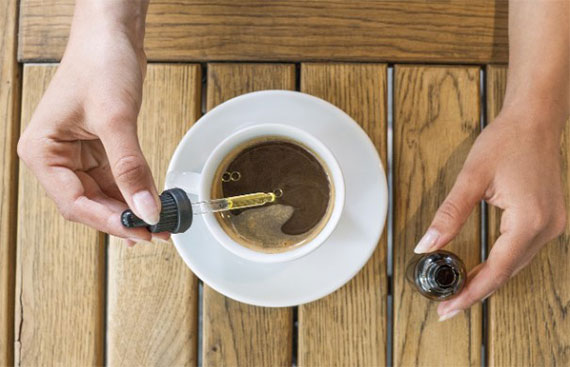
The CBD industry, being relatively new and not extensively regulated, presents a varied landscape of product quality and safety. Hastily making a decision without careful consideration increases the risk of acquiring substandard or potentially hazardous CBD items. The effects of CBD can vary among individuals, necessitating a thoughtful approach to selecting the appropriate product and dosage. Conducting thorough research, understanding personal requirements, and seeking professional advice significantly enhance the chances of finding a CBD product that aligns with specific needs.
1. Origin Awareness
Start by understanding the source of hemp plants used in CBD products. Look for companies that use organically grown hemp from reputable farms in regulated regions like the United States or Europe. These areas follow strict cultivation regulations to guarantee the absence of harmful substances like pesticides and heavy metals.
2. Third-Party Testing
Ensure the safety and quality of CBD products by selecting companies that conduct third-party lab testing. These tests verify the product's cannabinoid content, detect contaminants, and provide transparency on potency. Check for accessible lab reports and certificates of analysis on the company's website.
3. Extraction Methods
The method used to extract CBD oil from hemp significantly affects the product's quality. Opt for products extracted using the preferred CO2 method, which yields a pure and potent CBD extract without harmful solvents. Avoid products that use cheaper methods like butane or ethanol, as they may leave behind impurities and residues.
4. THC Content
Check the THC content before purchasing. While CBD products typically contain less than 0.3% THC (legally permissible in most regions), it's essential to verify this. If you're concerned about THC or undergo regular drug screenings, choose broad-spectrum CBD or CBD isolate products that have undergone additional processing to remove THC.
5. Product Type and Potency
Consider the product's type and potency based on your preferred consumption method and desired effects. Choose from options like oils, tinctures, capsules, topicals, and cbd edibles. Start with a lower potency and gradually increase the dosage if you are new to CBD. Customer reviews and testimonials can provide valuable insights into product effectiveness.
6. Ingredient Assessment
Thoroughly review the ingredients list to ensure it aligns with your preferences and dietary restrictions. Avoid products with artificial additives or potentially harmful ingredients. Opt for products that include natural ingredients like organic carrier oils or essential oils, which can enhance CBD's benefits.
7. Research Brand Reputation
Before finalizing your purchase, research the brand's reputation and credibility. Look for companies known for transparency, excellent customer service, and positive feedback. Visit their website for information on manufacturing processes and sourcing practices. Check customer testimonials if they have published any. Additionally, explore online forums and review websites for unbiased opinions about the brand and its products.
Endnote
Purchasing CBD products requires careful consideration to ensure you choose safe, effective, and high-quality options. These seven tips provide you with the knowledge to make informed decisions. Prioritize aspects such as sourcing, third-party testing, extraction methods, THC content, product type, ingredients, and brand reputation. You can confidently navigate the CBD market and find products that cater to your specific needs, supporting your overall well-being with this information.


