

NPOP's Role in Shaping India's Organic Future
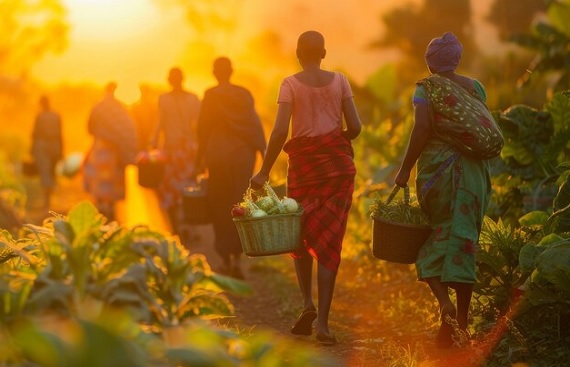
India has proved itself to be a significant part of the global shift toward organic farming, encouraged by growing customer awareness about health, environmental friendliness, and food safety. The country accounts for the world's highest 2.3 million organic farmers and continues to make huge developments in embracing sustainability in agriculture. Government initiatives like the Paramparagat Krishi Vikas Yojana (PKVY) and the National Program for Organic Production (NPOP) have been significant factors in the success of this change.
Organic farming, as a method of eliminating the use of synthetic pesticides and fertilizers, ensures enhanced biodiversity and better soil fertility and reduces pollution and is recognized as an increasingly vital component of sustainable agriculture. Increasing awareness among people about organic produce is bringing an increasing trend of demand for such products not only in India but internationally also. Organic farming has the benefits of preservation of the environment, pesticide-free produce for good health, increasing economic opportunities among farmers, and resilience to climatic change.
Despite its growing rate, an important question remains: Can organic farming meet surging demand for sustainable food by addressing the issues of scalability and global accessibility? NPOP plays a crucial role in making these advancements possible.
NPOP in Promoting Quality and Global Trust
A landmark of the Indian organic farming and certification system is the National Program for Organic Production (NPOP), instituted by the Government of India as introduced in 2001 as an umbrella body regulating organic agriculture as a whole. NPOP formulates strict organic farming standards regarding processing and labeling, which is followed from top to bottom through the production chain. These standards encompass various aspects such as soil health, crop rotation, pest control, and livestock management. These promote sustainability and ecological balance. Products certified under NPOP carry the 'India Organic' logo, which is a mark of trust, thereby assuring consumers of strict organic guidelines followed.
The other vital aspect of NPOP is authorization to the certification bodies that undertake organic producer and processor evaluations. This certification agency evaluates these producers thoroughly, ensures all its guidelines followed, and therefore, the produce is labeled organic. The program also provides market access to the products both domestically and internationally. Global recognition for NPOP standards ensures that India's organic produce meets international standards, thereby strengthening exports and developing the credibility of India as an authentic supplier of organic products.
Through NPOP, increases consumer trust and confidence due to the guarantee of quality and authenticity by the 'India Organic' logo. NPOP working in tandem with bodies such as APEDA facilitates the streamlined export of certified organic products, making India an indispensable player in the global organic market.
India’s NPOP Revision Boosts Global Organic Exports
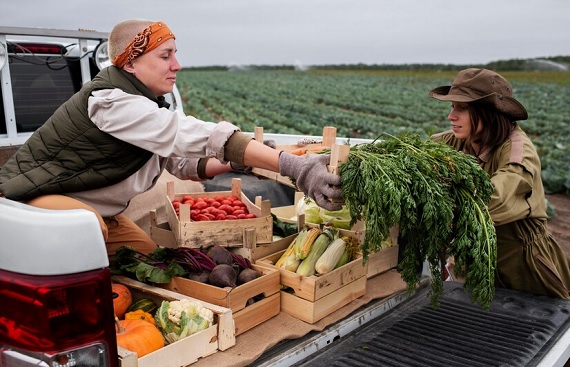
The National Program for Organic Production is the bedrock of India's organic farming and certification ecosystem. It was established in 2001 by the Government of India as a comprehensive organic agriculture regulatory structure. NPOP defines a very robust set of standards for organic farming, processing, and labeling to ensure that the whole production chain is maintained in its integrity and quality. These standards range from soil health to crop rotation, pest control, and management of livestock. These ensure that sustainability and ecological balance are promoted. Products under NPOP have the 'India Organic' logo as a sign of trust with the assurance to the consumer that products have been prepared according to strict organic guidelines.
Accreditation of certification bodies involved in organic producers and processors is an integral part of NPOP. Certification agencies inspect these places and ensure compliance with NPOP's guidelines to let the producers tag their products as organic. It also allows access to domestic and international markets for the certified products. Global recognition of NPOP standards ensures that Indian organic products meet international expectations, thereby boosting exports and enhancing India's reputation as a credible supplier of organic goods.
The NPOP encourages organic practices significantly for sustainable agriculture in India. It ensures that the dependency on synthetic chemicals reduces, biodiversity increases, and health of the soil is maintained along with the worldwide efforts to mitigate climate change. Through synergies between bodies like APEDA and NPOP, the export of certified organic products has thereby streamlined, making India a stalwart in this global organic market.
Organic Farming Market Poised for Growth in India

The organic farming market in India is anticipated to increase from about USD 1.64 billion in 2024 to around USD 2.13 billion by 2030, largely due to increasing demand from consumers for healthy, chemical-free food, support from the government, and technological advancement in agriculture. Increased soil health, biodiversity, and environment-friendly agriculture contribute to this growth.
Below are the few organic farming companies shaping the future:
Phalada Agro Research Foundations Pvt. Ltd.
Phalada Agro Research Foundations Pvt. Ltd. is one of the noticeable organic food company in India under the brand name 'Phalada Pure and Sure'. They offer a vast range of organic products, which includes spices, herbs, grains, pulses, and snacks. Sustainability is the motto for the company, as they engage with farmers to promote organic farming and also for rural development. Through vertical integration, Phalada meets high standards of quality and is certified by international organic certifying bodies. The company also exports into the US, Europe, and Asia. Phalada's commitment to R&D allows it to innovate in organic farming and food production and remains at the forefront of the industry.
ElWorld Agro & Organic Foods Pvt. Ltd.
ElWorld Agro & Organic Foods Pvt. Ltd. is a leading organic food company in India and offers a range of products through the 'ElWorld Organics' brand including grains, pulses, spices, herbs, and oils. Sustainability is the core idea while creating value using the farmers towards organic farming and social development toward rural areas. Being vertically integrated along its supply chain, ElWorld ensures uncompromised quality standards and certifications from international organic certifying bodies. It exports into the US, Europe, and Asia and focuses on applying high state-of-the art technology in every stage of business production in achieving top organic output.
Looking Ahead
Organic farming in India is also on an expansion path for cultivation areas, with a total of approximately 2.78 million hectares under organic agriculture. The leader states in the transformation are Sikkim, Uttarakhand, and Tripura. In West India, favorable policies along with traditional farming practices, organic farming is the number one region for organic farming. With continued support and innovation, organic farming has a bright future for India's agriculture, providing potential for farmers, consumers, and investors.


