

India and New Zealand Conclude FTA Negotiations to Strengthen Bilateral Trade
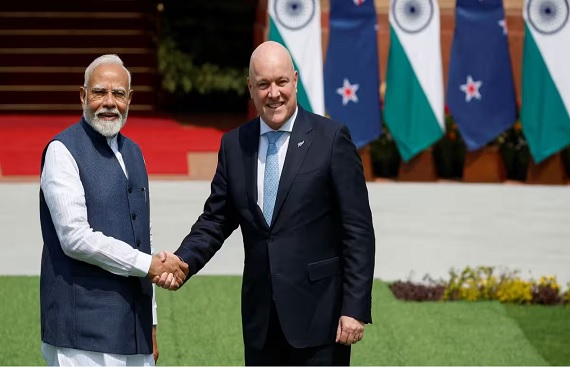
- Trade talks conclude, FTA signing planned in 2026, marking a major step toward deeper economic and strategic cooperation between India and New Zealand
- Goal to double bilateral trade to $5 billion within five years by improving market access, reducing tariffs, and boosting investment flows
- New Zealand to offer 5,000 work visas annually for Indian professionals across skilled sectors, strengthening workforce mobility and services trade
India and New Zealand have concluded negotiations on a free trade agreement (FTA), marking a major step toward deeper economic ties between the two countries. The deal aims to double bilateral trade to $5 billion within five years and attract nearly $20 billion in investments over the next 15 years.
Under the agreement, India will gain tariff-free access to New Zealand’s market, while New Zealand will see tariffs removed or reduced on 95 percent of its exports to India, including timber and fruits. However, India has protected sensitive sectors. Key farm and dairy products such as rice, wheat, milk, sugar, onions, spices, edible oils, and rubber remain excluded from tariff concessions.
Union Commerce Minister Piyush Goyal said the government ensured farmers’ interests were safeguarded. He stressed that no market access was given in politically sensitive agricultural categories.
A major highlight of the pact is workforce mobility. New Zealand will issue 5,000 temporary work visas every year for Indian professionals, allowing stays of up to three years. These visas will cover sectors such as IT, engineering, healthcare, education, construction, and also include AYUSH practitioners, yoga instructors, chefs, and music teachers.
Prime Minister Narendra Modi called the conclusion of talks a “historic milestone”, noting that negotiations were completed in just nine months. He said the agreement reflects strong political will and shared ambition. Mr. Modi discussed the development with New Zealand Prime Minister Christopher Luxon before the joint announcement.
Also Read: India and Canada to Resume Free Trade Agreement Negotiations
The External Affairs Ministry said the FTA will expand market access, boost investments, and create opportunities for businesses, MSMEs, students, and young professionals in both countries.
For India, the pact offers a timely chance to diversify exports in the Oceania region, especially as Indian exporters face pressure from higher U.S. tariffs. The agreement is expected to benefit labor-intensive sectors such as textiles, apparel, leather, footwear, and home décor, along with automobiles, electronics, machinery, and pharmaceuticals.


