How Food Delivery Services Are Changing Consumer Habits
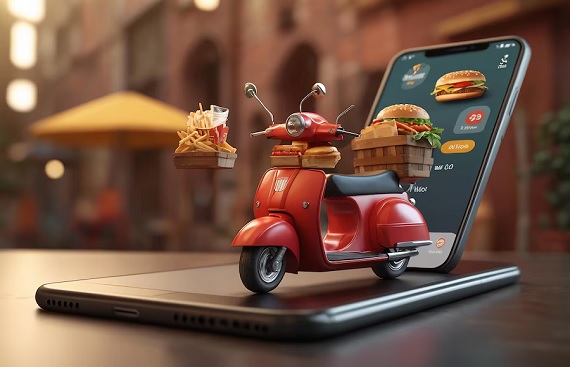
Food delivery services have greatly influenced consumer behavior by making access to meals easier than ever before. The choice of food has been influenced greatly by convenience through various companies such as EatSure, Uber Eats, Zomato and Swiggy. These services enable customers to order meals like those served in restaurants while they remain at home, eliminating the need to dine out. It has affected meal planning and there is a shift towards convenience food and the traditional preparation and consumption of food has been altered. The growth of food delivery is not just changing the expectations of consumers but also impacting restaurants, local communities and urban living.
Convenience at Our Doorsteps
The flexibility that comes with food delivery services cannot be compared whereby through their mobile phones consumers can order their favorite meals to be delivered to them. This has formed what can be termed as an ‘on-demand’ culture, whereby getting food at any given time is what is considered important. The working class, students, and families stand to gain a lot, as it eliminates the time for meal preparation, cooking, and shopping for food. The freedom to order food from different cultures without having to go out has revolutionized the lives of many people.
Changing Dining Experiences
Dining out as a social practice has been replaced by food delivery services in this aspect of the social lives of people. There is a trend of eating alone or with family which reduces the market for traditional restaurants hence the decline. The coming up of ‘virtual dining’ suggests that customers can dine in restaurants while they enjoy quality meals from the comfort of their homes. This has also led to the development of ‘dark kitchens’ or ‘cloud kitchens’ whereby the business is set up strictly for delivery. These kitchens are solely dedicated to online orders, leveraging the growing trend of home-delivery of foods while at the same time; they do not incur overhead costs of standard restaurants.
The Influence of Technology
Technology has played a crucial role in transforming food delivery services. Mobile applications, sophisticated algorithms, and GPS navigation have made the ordering process easy and fast. These advancements enable direct interaction between customers, delivery personnel, and restaurants by offering tailored suggestions depending on their previous orders. Mobile payment systems have eased payment processes, and customers can pay via e-wallets, credit cards, or cash on delivery. This integration has not only improved customer satisfaction but has also increased innovation in logistics and delivery systems to make them quicker. In India, these technologies are utilized by platforms such as Zomato to enhance operations and serve a vast and expanding population.
Health and Wellness Trends
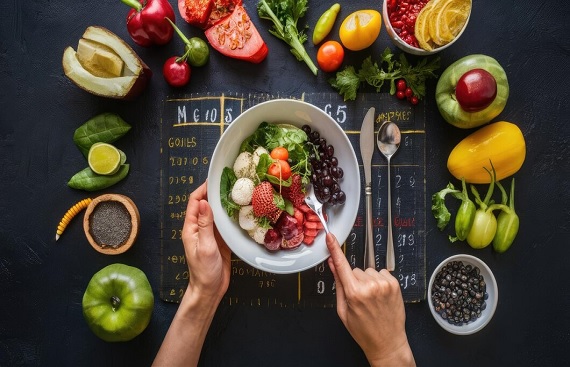
New styles of eating and health and wellness have been influenced greatly by the emergence of food delivery services. This is why many of the platforms have now incorporated a lot of healthier options including organic, low-calorie, gluten-free and vegan meals. Due to the understanding that people require healthy meals there is now a segment of balanced meals and this has made restaurants consider this segment. Besides, most of the applications provide information on the nutritional values which enhances the ability of the consumer to make the right decisions on the foods to take. This trend means that people can eat healthy without worrying about the time it takes to prepare such meals, an important factor given the busy schedules in the current world hence making healthy eating possible.
Rise of Local and Small Businesses
Food delivery platforms have become a critical means of operation for local and small businesses since they can reach more customers without occupying prime locations. This shift gives the small restaurant operators, food trucks, and independent chefs to level the playing field with the big chains. This increased exposure of these relatively smaller players is healthy for the food scene as it offers variety. In addition, eating joints benefit from affiliations with delivery services since they connect them with customers that they would not have otherwise gotten. In India, platforms like Swiggy have brought into operation so many small businesses including local restaurants in Bangalore and have helped them to grow and expand their operations within the society.
Economic Impacts on Traditional Restaurants
Food delivery services have affected traditional restaurants in a big way and it is important to understand the opportunities and threats. These services bring new additional sources of revenue, however, they are charged with high commissions that can negatively affect the revenues of restaurants with dine-in services. This change has forced many restaurants to review their physical environments and thus downsize or even close down of dine-in sections to embrace deliveries and takeaways. Besides, the competitive pressure has increased to gain more visibility on the internet and with the help of delivery apps, restaurants need to market their food and also adapt their menus accordingly. Thus, these economic pressures are altering the operating environment of the restaurant business.
“We all work together as one department and our single goal is to get High Quality food delivered in the least amount of time", says Amit Kumar, Founder, Dinepost9.
Future Trends in Food Delivery
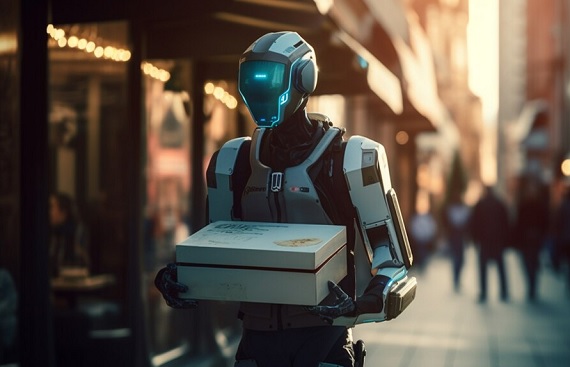
The food delivery industry is likely to experience a major revolution in the coming years. The deployment of self-driving cars, drones, and robots is anticipated to enhance delivery efficiency and cost. Consequently, there are likely to be more paid meal services and personalized meal plans depending on the customer’s needs. The issue of sustainability will come into play, particularly because the end-users are becoming more conscious of the impacts of packaging waste on the environment. To address these concerns, most firms are acutely aware of the quest for environmentally friendly packaging materials and carbon-neutral delivery services. Thus, these trends will transform the process of food delivery into an efficient, client-oriented, and sustainable one.
Conclusion: Therefore, the services in food delivery have greatly impacted consumer behavior by offering the greatest convenience, choice, and versatility. Due to the dynamic nature of the food delivery industry, it is poised for further evolution as technology continues to evolve and consumers’ tastes change. Such changes bring new opportunities but also problems in the industry, especially for conventional restaurants which have to face these changes. With the increase in the food industry, the use of food will also be revolutionized in the future especially through delivery services. Such continuous changes will define dining experiences and impact restaurant businesses to guarantee that food delivery will continue to play a crucial role in the dining world in the future.