Apple Explores Smart Glasses with Internal Product Study
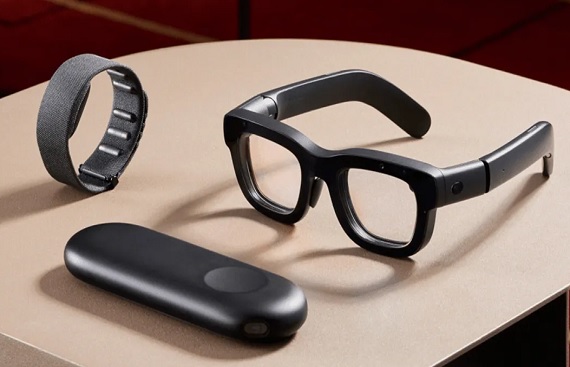
Apple Inc is considering a move into smart glasses, the company's internal review of products available now is laying groundwork for it to follow into an increasingly popular category.
The initiative, code-named Atlas, began last week, canvassing opinions from Apple employees on smart glasses, people familiar with the matter said. Further focus groups are scheduled in the near term, these people said, asking not to be identified because the work is classified. The studies are led by the Product Systems Quality team at Apple, which falls within the hardware engineering division.
"Testing and developing products that all can come to love is very important to what we do at Apple", the group wrote in an email to select employees at the company's headquarters in Cupertino, California. "This is why we are looking for participants to join us in an upcoming user study with current market smart glasses".
But first, it conducts secret focus groups to understand what the masses like about the present product. Generally, the members of such groups are employees so that the findings would not come out publicly. Apple wouldn't comment for this story.
A new study indicates that Apple is indeed progressing with their development of smart glasses. As Bloomberg noted before, the company that produces iPhones has contemplated its entry to a market that could very well compete with Meta's Ray-Ban device even if an actual product remains several years off.
Apple should have some research in the direction of what features would be included in its very own set of glasses and potential ways the technology could be used.
For years, Apple had hoped to turn the lighter-weight version of the device into an augmented reality something that could be worn all day and even replace the iPhone. Work on that project has sputtered, though, due to a slew of technical challenges.
Meta, meanwhile, had an easier time of it with a more stripped-down formula. Its $299 glasses, created in partnership with Luxottica Group SpA, aren't true AR spectacles-they don't overlay information on the glass. But they let users shoot video, take phone calls and ask questions to an AI assistant.
Now, Apple is planning to do something similar. Its strategy might be an attempt at smart glasses that work exactly like its already-popular AirPods earbuds. This version in the form of glasses would offer more battery life, sensors, and advanced audio technology.
But Apple's competitors are moving forward too. In the last few months, Meta and Snap Inc. each unveiled AR glasses prototypes that can layer the real world with digital overlays of games, text messages, and apps. Neither is ready for consumers in at least a few years, however. The prototypes that exist now are more about getting app developers to buy into the concept.
Apple will also redvelop the Vision Pro head-mounted display to make it more marketable. It is very great for viewing video and doing office work, but its heaviness, high price, and limited content have ensured it is a niche product.
The firm has been working on a lower-end version with cheaper components. It is even considering building a device that offloads many of the features and computing processing to an iPhone, making the headset more of an accessory to products that consumers already own.