RBI Eyes eRupee CBDC to Boost Cross-Border Transactions and Elevate India's Global Financial Standing
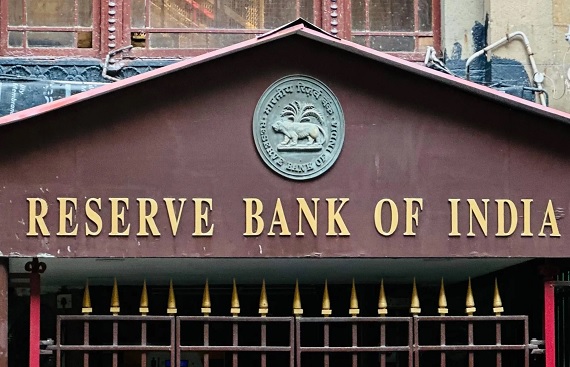
The RBI wants the eRupee, its central bank digital currency, to make a difference in cross-border transactions and raise the country's financial status in the world. In a new report on currency and finance, the RBI detailed its ambitious plans for the eRupee, which is now at an advanced trial stage.
According to the report, the eRupee might help India enhance its 'soft power' on the global stage. The RBI added, "Cross-border digital trade policies and digitalisation, with initiatives on internationalisation of Indian Rupee (INR) and the CBDC project, will be critical in harnessing new opportunities that provide frictionless international transactions, minimise foreign exchange risks and global liquidity management".
The RBI is also considering methods to attract foreign direct investments into the growing sector of FinTech in India, in which the eRupee would turn out to be an important catalyst. According to it, the integration of this CBDC into the financial system is not only going to ensure more security to the data but also increase the availability of e-payment services and hence foster digital skills development within the country.
By May 2024, India was testing its respective CBDC among 36 countries. These are fiduciary digital currencies issued and regulated by the central bank. The CBDCs, like the eRupee, represent their fiat and are created using blockchain technology. The benefits are transparency, security, and efficiency, which bring them potentially capable of reducing the reliance on physical cash in financial transactions.
The CBDC retail pilot has onboarded 5 million users and 420,000 merchants as of June 2024. During the ongoing testing phase of eRupee, its utilization is taking place in both the retail and wholesale sectors and supports P2P and P2M transactions.