


CIS: Solving Climate and Infrastructure Challenges with Green Solutions
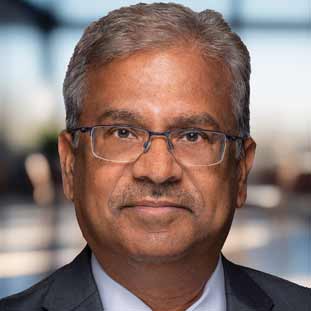
Sanjiv K. Sinha, Ph.D., CEO and Board Member
Now why is it significant? In many parts of the world, a hundred-year rainfall, which is rainfall with a one percent probability of occurrence, has significantly increased. And even a slight increase in the hundred-year rainfall can mean managing billions of gallons of additional water, traditional water drainage infrastructure is rigid in its implementation and cannot be upgraded frequently to meet the changing demands.
The current unpredictable climate conditions demand a more adaptable approach to water management, an area where CIS truly shines. It uses its nationally proven project delivery platform to invest capital upfront in community-based infrastructure development while committing to local business capacity development and utilization to implement at scale with lower costs.
Through its proven approach of investing and developing a local project delivery model with a greater reliance on local business knowledge and expertise, CIS can better assess and implement efficiencies in infrastructure placement, design and financing, while also incorporating the public’s environmental and socio-economic objectives to directly engage and facilitate profitable growth of women — and/or minority-owned, area businesses. CIS also offers related advisory expertise on nature-based solutions, climate resilience, disaster prevention, environmental equity/justice, green stormwater infrastructure, environmental finance, water affordability, and public trust.
“As leaders in community-based infrastructure and urban greening, we are proud to assist our urban areas become more climate-resilient while supporting the local economy by working with local disadvantaged and small businesses,” said Sanjiv K. Sinha, Ph.D., CEO and Board Member of CIS.
Under the CWP, CIS has completed 215 projects of varying scale, totaling $350 million of work across the county. Over 70 percent of that work has been carried out by local, small, women- or minority-owned businesses. To facilitate that, CIS has mentored over 62 small businesses over the last decade. This showcases how sustainability goes hand-in-hand with community engagement.
“As leaders in community-based infrastructure and urban greening, we are proud to assist our urban areas become more climate-resilient while supporting the local economy by working with local disadvantaged and small businesses,” said Sanjiv K. Sinha, Ph.D., CEO and Board Member of CIS.
Under the CWP, CIS has completed 215 projects of varying scale, totaling $350 million of work across the county. Over 70 percent of that work has been carried out by local, small, women- or minority-owned businesses. To facilitate that, CIS has mentored over 62 small businesses over the last decade. This showcases how sustainability goes hand-in-hand with community engagement.
CIS’s Indian-American CEO Sanjiv Sinha, Ph.D., is based in Ann Arbor (Michigan) and focused on continued CIS’s commitment to solving infrastructure challenges sustainably. In April 2023, Dr. Sinha took over CIS, spun off from Corvias Group LLC., to focus on rebranding to enhance CIS’s status in water-sector partnerships centered on equity, innovation, and collaboration. In his first year, he and his team led the rebranding of the company, increased staff fivefold, quadrupled the number of clients, and opened new offices in Milwaukee, Seattle, Ann Arbor, and Sacramento. CIS also launched an Advisory/Consulting Practice on climate resilience, disaster prevention, environmental finance, and environmental justice, while expanding its social media presence and earning several national awards including for the CWP.
CIS’s core business is expected to see rapid growth given the dramatic needs of climate-related asset management and advisory services across the globe. Its distinct offerings that combine sustainability, economic growth, and efficient scale-up of distributed solutions should continue to cement its role in the long term.As leaders in community-based infrastructure and urban greening, we are proud to assist our urban areas become more climate-resilient while supporting the local economy by working with local disadvantaged and small businesses


